Does it work?
Hemp Seed Oil for Dry & Dehydrated Skin
Light, green and grassy-fresh: hemp seed oil feels weightless on oily and dry skin alike.
The short answer: A small randomized trial of oral hemp seed oil in atopic dermatitis plus a plausible barrier mechanism; topical trials are lacking.
Our Dry & Dehydrated Skin guide does not rank Hemp Seed Oil for this use yet, so this is the overall grade for Hemp Seed Oil.
What Hemp Seed Oil can do for Dry & Dehydrated Skin
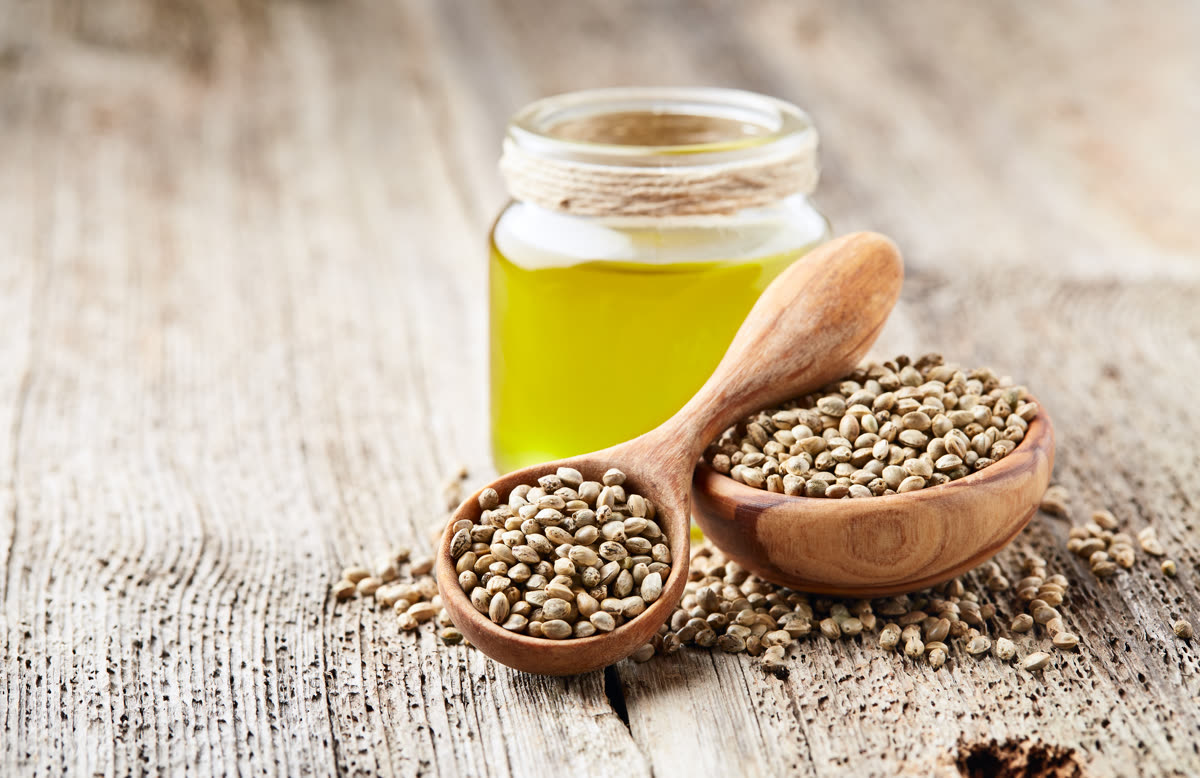
Hemp seed oil is pressed from the seeds of industrial hemp. It is a light, green, polyunsaturated oil with an omega-6 to omega-3 ratio of about 3:1 plus a little GLA. It contains essentially no CBD or THC — those come from the flowers, not the seeds. It is a pleasant emollient for many skin types, with limited evidence and a short shelf life.
Why people reach for it
- Light, fast-absorbing emollient. A thin, quickly absorbed oil that suits oily and combination skin as well as dry skin.
- Barrier-friendly fatty acids. Rich in linoleic acid, the fatty acid skin uses to build barrier ceramides — helpful in dry and eczema-prone routines.
- May suit acne-prone skin. Linoleic-rich oils are a reasonable choice for acne-prone skin, though there is no direct evidence that hemp seed oil treats acne.
How to use it
Try it today
A featherweight face oil
- Mix hemp seed oil with a stable oil such as jojoba in a small, clean dark bottle.
- Patch test, then press a few drops onto clean skin morning or night.
- Store the bottle in the fridge and use it up within a few months.
| Form | Typical use | Notes |
|---|---|---|
| Face oil | 10–50% of a blend, with tocopherol 0.2–0.5% | Combine with stable oils such as jojoba or squalane. Refrigerate and use within a few months. |
| Creams and lotions | 2–10% of the formula (oil phase) | Add an antioxidant and minimize heat exposure. Balance the oil phase with the Formula & Cost Calculator. |
| Cleansing balm or oil | 10–30% of the formula | Adds a light feel; see Sunflower Cleansing Balm for a template. |
Use it safely
- Topical hemp seed oil is well tolerated; patch test if your skin is reactive.
- Hemp seed oil contains no meaningful CBD or THC and does not cause intoxication. Topical use is not expected to affect drug tests; athletes and people subject to testing should use products from suppliers that test for THC if eating hemp foods.
- Hemp seed allergy is rare but documented; stop use if you react.
- Rancid oil is more irritating — discard oil that smells sharp or paint-like.
Pregnancy and breastfeeding: Topical hemp seed oil raises no specific concerns. Avoid products containing CBD or THC during pregnancy and breastfeeding unless advised by your doctor.
New to an ingredient? Patch test first.
When to see a doctor
- Dryness with intense itch that disturbs sleep, or red, inflamed patches (possible eczema or another dermatitis).
- Cracked, bleeding or weeping skin, or signs of infection (pain, warmth, yellow crusts, pus).
- Fish-scale-like dryness present since childhood (possible ichthyosis).
- New, persistent dryness with fatigue, weight change, feeling cold or hair thinning (thyroid), or with excessive thirst and urination (diabetes).
- Severe dryness in older adults with widespread itch that does not respond to moisturizers.
Other plants for Dry & Dehydrated Skin
| Ingredient | Grade | What the evidence shows |
|---|---|---|
| Colloidal Oatmeal | B | Multiple clinical studies show colloidal oatmeal creams and baths reduce dryness, scaling and itch; it is an approved skin protectant in the US. |
| Sunflower Oil | B | Linoleic-rich sunflower seed oil preserved stratum corneum integrity and improved hydration in a comparative study with olive oil, and supports barrier function in neonatal studies. |
| Coconut Oil | B | A randomized trial found virgin coconut oil as effective and safe as mineral oil for mild to moderate xerosis of the legs. |
| Shea Butter | C | Rich emollient and mild occlusive with anti-inflammatory triterpene esters; small studies of shea-containing creams support hydration. |
| Squalane | C | A skin-identical, stable, lightweight emollient that reduces roughness; excellent tolerability but limited trial data on its own. |
| Jojoba | C | A liquid wax ester that resembles skin’s own wax esters; small studies support barrier repair and softness. |
| Aloe Vera | C | A humectant gel that improved skin hydration in small studies; on its own it is not enough for very dry skin and needs an emollient on top. |
| Marshmallow Root | D | Mucilage polysaccharides form a soothing, humectant film; evidence is traditional and lab-based. |