Does it work?
Coffee for Aging & Photoaging
Your morning ritual, for your skin: caffeine to de-puff and gourmand grounds for a smoothing body scrub.
The short answer: Caffeine penetrates skin well and has plausible mechanisms with small human studies for under-eye and scalp products, but controlled evidence for lasting results — including cellulite — is weak.
Our Aging & Photoaging guide does not rank Coffee for this use yet, so this is the overall grade for Coffee.
What Coffee can do for Aging & Photoaging
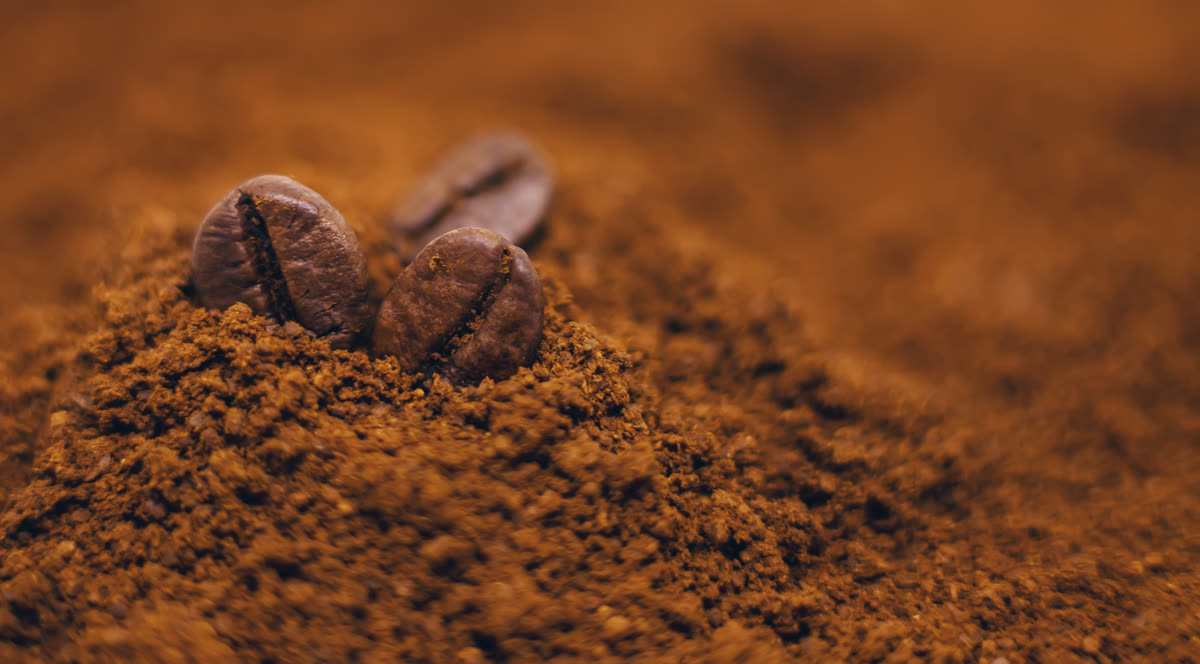
Coffee gives skincare two very different things: caffeine, a well-absorbed molecule with real but modest, mostly temporary effects on puffiness, and coffee grounds and oils, used in scrubs and body products. Caffeine creams can make skin look briefly tighter and less puffy; claims that coffee scrubs remove cellulite are not supported. Used grounds are a nice upcycling idea, but they mold quickly and clog drains.
Why people reach for it
- Temporarily de-puffs the eye area. Caffeine constricts superficial blood vessels and may reduce fluid puffiness, especially in a chilled gel or roller. Effects are mild and short-lived, and do not change puffiness caused by fat pads or aging.
- An antioxidant-rich ingredient. Coffee extracts, particularly from green beans and coffee cherry, are rich in chlorogenic acids and other polyphenols that are antioxidant in lab tests — a reasonable supporting role in anti-aging formulas.
- A satisfying body exfoliant. Coffee grounds in an oil or sugar base make an invigorating body scrub that leaves skin smooth. The smoothness is from exfoliation and oil; any “firming” is temporary.
- Scalp care under study. Caffeine stimulated hair follicles in lab studies, and an open-label trial found a caffeine liquid broadly comparable to minoxidil for male pattern hair loss. Evidence is still limited (Thinning Hair & Hair Loss).
How to use it
Try it today
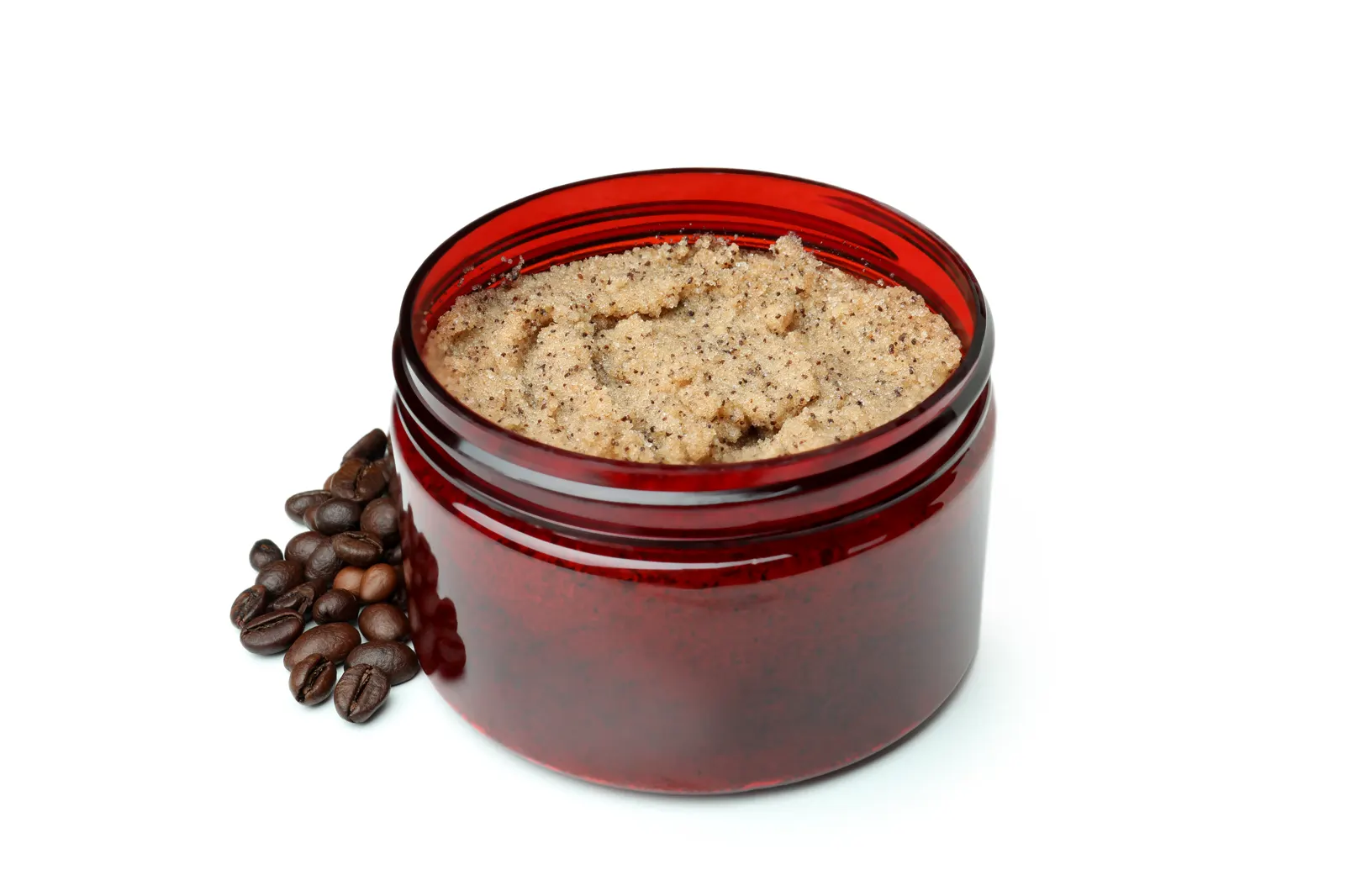
A same-day coffee body scrub
- Mix 1 part finely ground coffee with 1–2 parts oil, such as sweet almond, in a clean bowl.
- Massage gently over damp body skin, avoiding your face, broken skin and freshly shaved areas.
- Wipe excess grounds into the bin, rinse with a drain strainer in place, and discard leftovers.
| Form | Typical use | Notes |
|---|---|---|
| Caffeine eye gel or serum | 0.5–3% caffeine (warmed or with glycols to stay dissolved above about 2%) | Pat a small amount around the orbital bone in the morning; store it in the fridge for extra de-puffing. A chilled green tea compress is a pleasant DIY alternative. |
| Coffee oil in body oils and balms | Green or roasted coffee seed oil: 5–20% of a body oil or balm | Roasted coffee oil adds a gourmand scent; green coffee oil is milder. Blend with cocoa butter or shea butter for a rich body balm. |
| Coffee body scrub | 1 part finely ground coffee to 1–2 parts oil (e.g. coconut or sweet almond), once or twice a week on the body | Massage gently on damp skin, then rinse. Too harsh for the face. Scoop out with a clean, dry spoon; if water gets in, use it up that day. Wipe off excess grounds into the bin before rinsing, and use a drain strainer. |
Recipes with Coffee
Use it safely
- Hygiene for used grounds: spent coffee grounds are wet and nutrient-rich — they are literally used to grow mushrooms — and grow mold within days. Use them fresh the same day, or spread them thin and dry them completely (a low oven works) before storing in an airtight jar. Discard any batch that smells musty or shows fuzz.
- Drains and showers: coffee grounds do not dissolve and combine with oils to block pipes; oily scrubs also make shower floors slippery and can stain pale grout and towels.
- Do not scrub over broken skin, active acne, sunburn, eczema or freshly shaved areas. Gritty grounds can cause micro-abrasions if used vigorously.
- Topical caffeine is very well tolerated; coffee allergy is rare. Patch test new products (How to Patch Test).
Pregnancy and breastfeeding: Topical caffeine and coffee scrubs are considered safe in pregnancy and breastfeeding; skin absorption is small relative to a cup of coffee. Be careful of slippery shower floors.
New to an ingredient? Patch test first.
When to see a doctor
- A new or changing mole or spot, especially using the ABCDE signs (asymmetry, irregular border, uneven color, diameter over 6 mm, evolving).
- Rough, scaly patches on sun-exposed skin that persist (possible actinic keratoses).
- A pearly or shiny bump, a sore that does not heal within 3–4 weeks, or a lesion that bleeds easily.
- Sudden skin thinning, easy bruising or stretch marks that may be medication-related (e.g. long-term steroids).
- If you want prescription retinoids or in-office treatments, or are unsure which actives are safe for you.
Other plants for Aging & Photoaging
| Ingredient | Grade | What the evidence shows |
|---|---|---|
| Bakuchiol | B | A randomized, double-blind trial found 0.5% bakuchiol twice daily comparable to 0.5% retinol for wrinkles and pigmentation over 12 weeks, with less stinging; it is not a true retinoid and is less studied. |
| Green Tea | B | Topical green tea polyphenols reduce UV-induced redness and DNA damage in human skin; trials for wrinkles show mixed, modest results. |
| Centella Asiatica (Cica) | C | Madecassoside and asiaticoside stimulate collagen in the lab; small trials of centella-containing creams showed improved firmness, mostly in combination products. |
| Argan Oil | C | A small study in postmenopausal women found improved elasticity with argan oil (oral and topical arms); useful as an emollient. |
| Rosehip Oil | C | Rich in linoleic acid and carotenoids; small studies (mainly of oral rosehip powder) suggest improved skin texture. Topical anti-wrinkle data are thin. |
| Frankincense | C | One small trial of a Boswellia serrata extract cream reported improvement in photoaging signs; needs replication. |
| Sea Buckthorn | D | High in antioxidants and omega-7 (palmitoleic acid), but clinical anti-aging evidence is minimal; unrefined oil stains orange. |