Does it work?
Peppermint for Dandruff & Itchy Scalp
A tingle of peppermint wakes up a tired scalp or weary feet with a clean, icy rush of cool.
The short answer: The cooling and anti-itch effect of menthol is well established pharmacologically and supported by small human studies; hair-growth evidence is animal-only.
Our Dandruff & Itchy Scalp guide does not rank Peppermint for this use yet, so this is the overall grade for Peppermint.
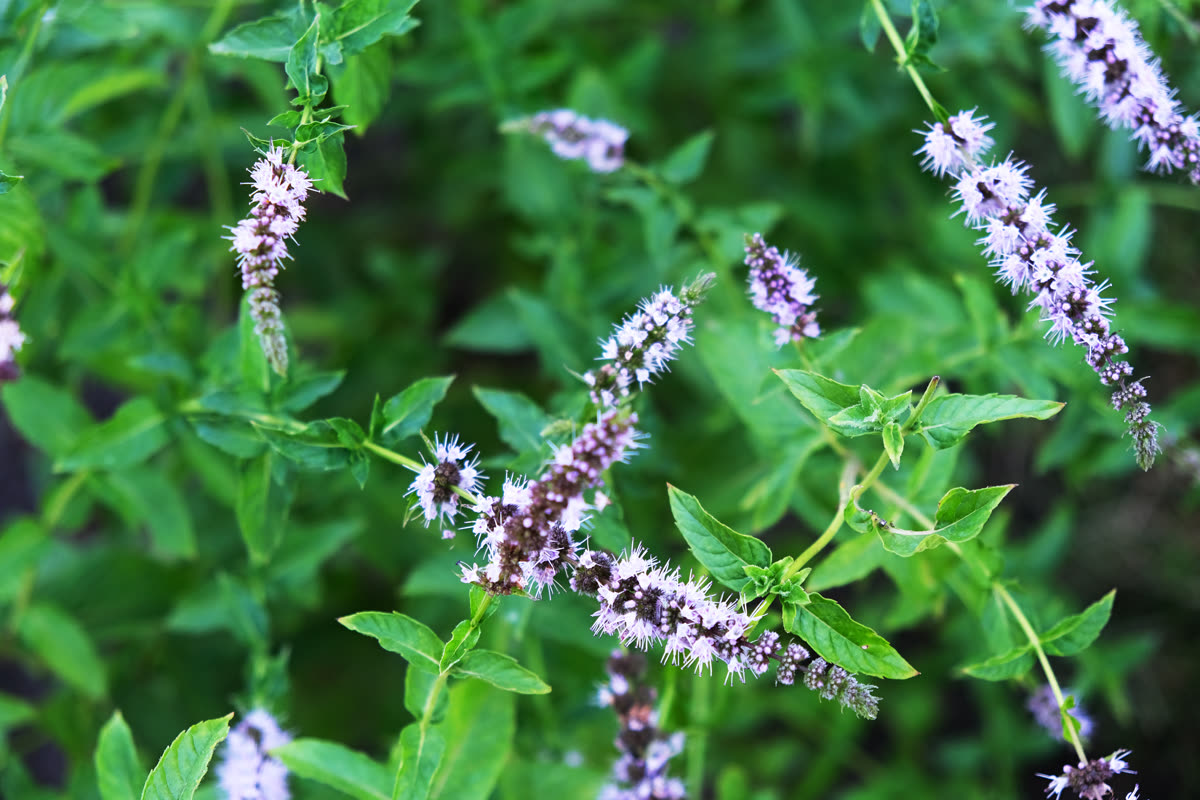
What Peppermint can do for Dandruff & Itchy Scalp
Peppermint oil gets its signature chill from menthol, which tricks the skin’s cold sensors without actually lowering temperature. That makes it a popular addition to scalp tonics, foot creams and after-sport gels, where it can ease itch and feel refreshing. Its reputation as a hair-growth oil comes from a single study in mice; in people it is best treated as a sensory, comfort ingredient that must be well diluted.
Why people reach for it
- Instant cooling sensation. Menthol activates TRPM8, the receptor that normally signals cold, giving a fresh, tingling feel at low concentrations.
- Relief from itch. Cooling counter-irritation can temporarily dampen itch on the scalp or body, which is why menthol appears in anti-itch and after-sun products.
- Scalp refresh. In rinse-off shampoos and diluted tonics it makes an oily or itchy scalp feel cleaner; it does not treat the cause of Dandruff & Itchy Scalp on its own.
- Hair growth (animal data only). A 2014 study in mice found 3% peppermint oil increased hair follicle number and depth over four weeks. This has not been shown in humans.
How to use it
Try it today
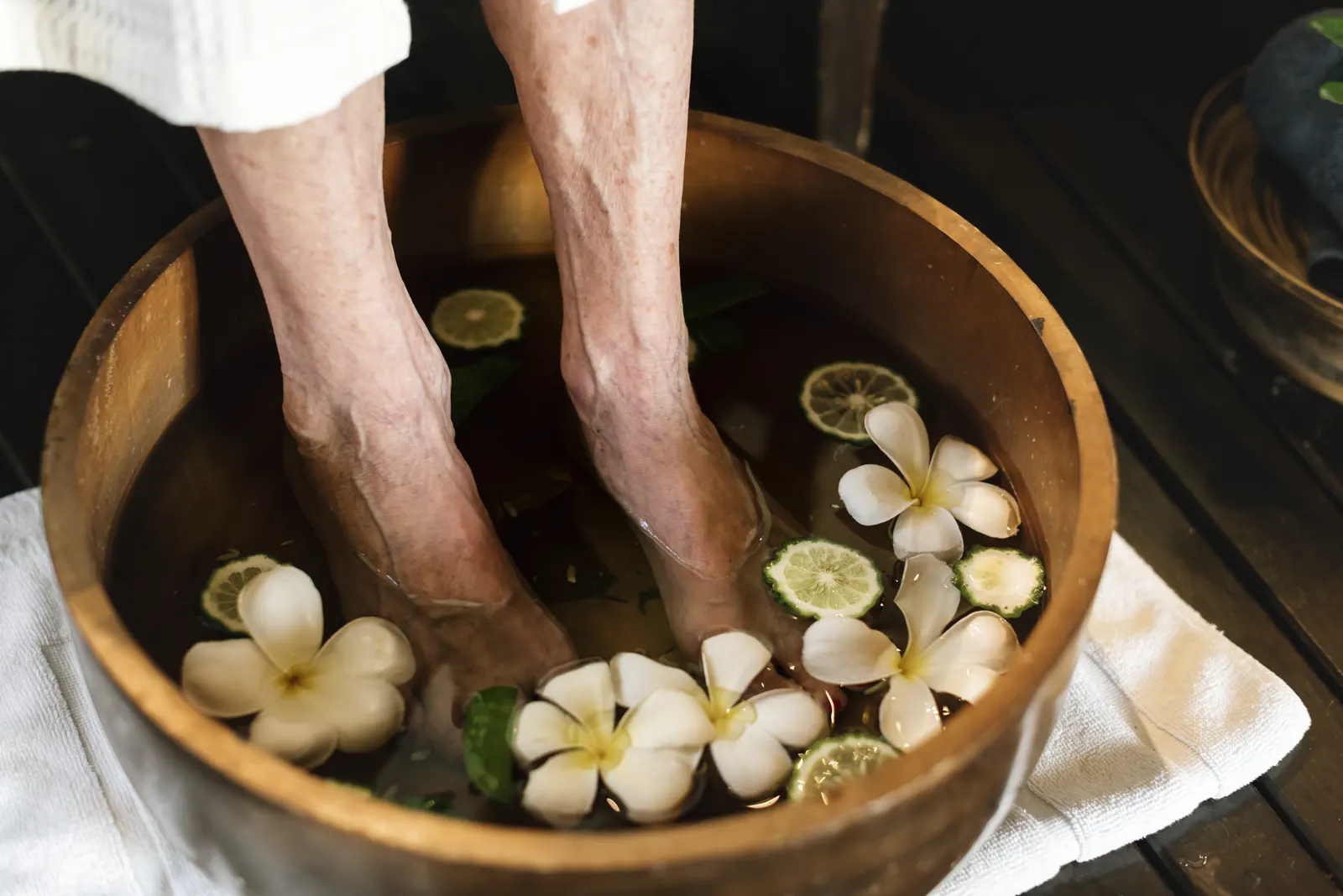
A cooling foot refresh
- Patch test first, then dilute peppermint essential oil to 1–2% in a gel or carrier oil.
- Massage into clean feet and calves, avoiding freshly shaved or broken skin.
- Wash your hands well afterward and keep it away from your eyes.
| Form | Typical use | Notes |
|---|---|---|
| Scalp tonic or shampoo (rinse-off) | 0.5–1% essential oil | Pre-dilute in a solubilizer before adding to water-based products. Keep it out of the eyes when rinsing. |
| Leave-on scalp or body product | 0.25–1% essential oil (or 0.1–0.5% menthol) | Start low: tingling should be pleasant, not burning. Use the Essential Oil Dilution Calculator. |
| Foot or after-sport gel | 1–2% essential oil | Thicker skin of the feet and legs tolerates more; avoid freshly shaved or broken skin. |
| Leaf infusion rinse | 5–10 g dried leaf per 250 ml hot water, cooled | A gentle, low-menthol option; make fresh and discard leftovers. |
Recipes with Peppermint
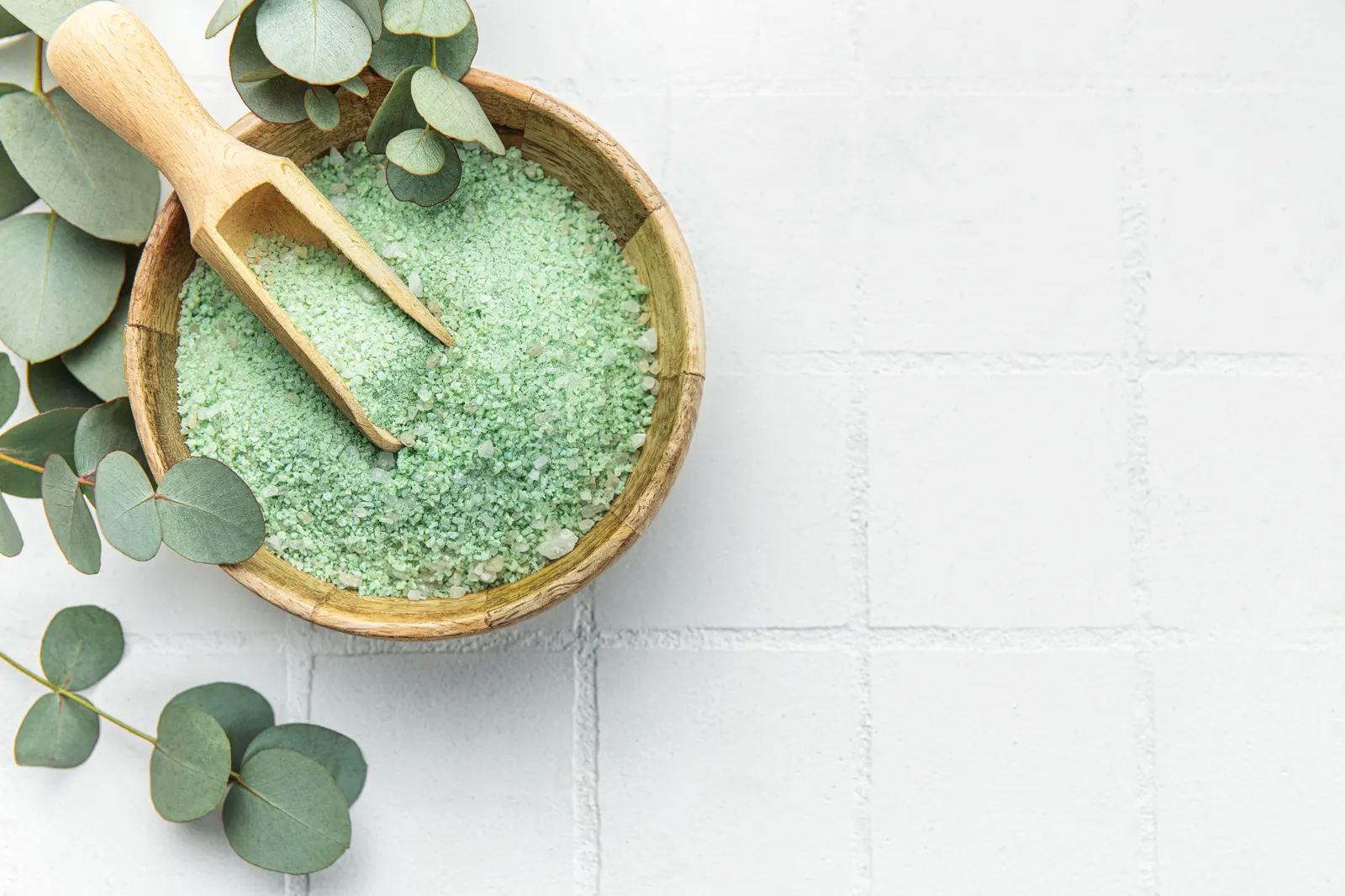
Daily rituals with Peppermint
Use it safely
- Never apply peppermint oil or menthol on or near the face, nose or chest of infants and young children: menthol can trigger reflex breathing problems (laryngospasm, apnea). Menthol has also been linked to jaundice in newborns with G6PD deficiency.
- Undiluted oil can burn and sensitize. Keep face products at or below about 0.5% and away from the eye area. See Essential Oil Safety: The Complete Guide.
- “Plumping” lip glosses with peppermint work by mild irritation; skip them if lips crack or sting.
- Contact allergy to peppermint oil and menthol is uncommon but documented, especially in toothpaste and lip products.
Pregnancy and breastfeeding: Low-dose topical use (≤1% on limited areas) is generally considered acceptable; avoid concentrated or oral use of the oil without medical advice.
New to an ingredient? Patch test first.
When to see a doctor
- Thick, silvery plaques, especially extending beyond the hairline or with plaques elsewhere (possible psoriasis).
- Patches of hair loss, broken hairs or swollen glands in the neck, particularly in a child (possible fungal infection).
- Oozing, crusting, pain or a boggy swelling (kerion) on the scalp.
- A sudden, severe or widespread seborrheic dermatitis, which can occasionally signal an underlying condition.
- An itchy, red, swollen scalp after hair dyeing (possible allergy — seek care urgently if the face swells).
- No improvement after 4–6 weeks of correctly used medicated shampoo.
Other plants for Dandruff & Itchy Scalp
| Ingredient | Grade | What the evidence shows |
|---|---|---|
| Tea Tree | B | A randomized, placebo-controlled trial of 5% tea tree oil shampoo improved dandruff severity, itch and greasiness over four weeks. |
| Aloe Vera | C | A small double-blind trial found an aloe emulsion reduced scaling and itch in seborrheic dermatitis. |
| Honey | C | A small uncontrolled study of diluted crude honey applied to seborrheic dermatitis reported reduced itch and scaling; needs confirmation. |
| Neem | D | Antifungal activity in the lab and traditional Ayurvedic use; no good human trials for dandruff. |
| Rosemary | D | Antimicrobial in vitro and used traditionally in scalp rinses; no clinical dandruff data. |
| Black Seed Oil | D | Thymoquinone shows antifungal activity in the lab; as an oil it may also feed Malassezia, so evidence is uncertain. |