Does it work?
Kakadu Plum for Aging & Photoaging
What the research says about Kakadu plum for aging & photoaging, how to use it at home and how to stay safe.
The short answer: Antioxidant and antimicrobial activity is documented in the laboratory, but there are no published human trials of topical Kakadu plum.
Our Aging & Photoaging guide does not rank Kakadu Plum for this use yet, so this is the overall grade for Kakadu Plum.
What it does
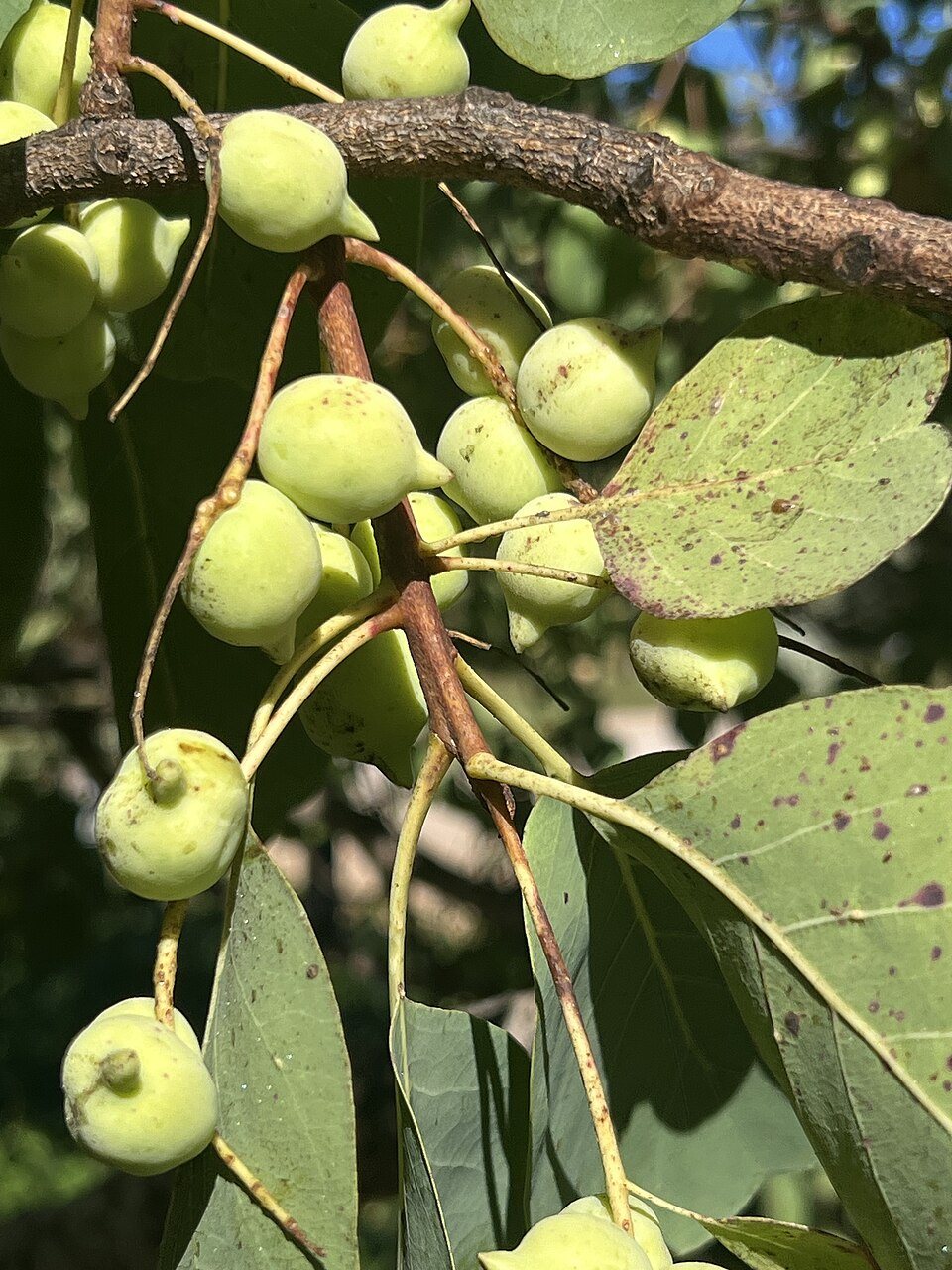
Kakadu plum is a small green fruit of northern Australia, a bush food of Aboriginal peoples for millennia. Fresh fruit is among the richest natural sources of vitamin C ever measured, which has made it a star of “vitamin C” skincare. The reality is more modest: vitamin C is fragile, and the low levels of extract used in most products deliver far less than a proper vitamin C serum. Its story also raises real questions about who benefits from Indigenous knowledge.
Why people reach for it
- Antioxidant polyphenols. Beyond vitamin C, the fruit is rich in ellagic acid, ellagitannins and gallic acid, which show strong antioxidant activity in lab tests and are more stable than vitamin C in formulas.
- A natural source of vitamin C. Fresh fruit contains exceptional amounts of vitamin C; well-made extracts can contribute some, though far less than the 10–20% L-ascorbic acid used in evidence-based serums for dark spots and photoaging.
- A supporting, not leading, active. At typical use levels it is best seen as a complementary antioxidant in a well-formulated product, alongside proven ingredients such as niacinamide or stabilized vitamin C.
How to use it
| Form | Typical use | Notes |
|---|---|---|
| Fruit extract in serums or creams | 0.5–3% (per supplier) | Add to the cool-down phase of water-based formulas with a broad-spectrum preservative; see DIY Safety: Water, Microbes & Preservatives. Package in airless or opaque containers. |
| Freeze-dried powder in a fresh mask | About ¼ teaspoon in a single-use mask | Mix with yogurt or honey immediately before use and discard leftovers. Its acidity can sting; rinse off if it burns. |
| Alongside proven vitamin C | As a complementary antioxidant | For measurable brightening, pair with a stabilized vitamin C serum, niacinamide or licorice root and daily sunscreen — see Licorice & Niacinamide Brightening Serum. |
Use it safely
- Generally well tolerated; acidic, vitamin C–rich preparations can sting sensitive or broken skin — patch test first.
- Homemade fruit or powder preparations spoil quickly: make them fresh and discard leftovers.
- Vitamin C products can oxidize and turn yellow-brown; discard discolored product.
- Brightening is pointless without sun protection: use broad-spectrum sunscreen daily (see Sun Care & After-Sun).
Pregnancy and breastfeeding: No specific concerns for topical use in pregnancy or breastfeeding; the fruit is a traditional food.
New to an ingredient? Patch test first.
When to see a doctor
- A new or changing mole or spot, especially using the ABCDE signs (asymmetry, irregular border, uneven color, diameter over 6 mm, evolving).
- Rough, scaly patches on sun-exposed skin that persist (possible actinic keratoses).
- A pearly or shiny bump, a sore that does not heal within 3–4 weeks, or a lesion that bleeds easily.
- Sudden skin thinning, easy bruising or stretch marks that may be medication-related (e.g. long-term steroids).
- If you want prescription retinoids or in-office treatments, or are unsure which actives are safe for you.
Other plants for Aging & Photoaging
| Ingredient | Grade | What the evidence shows |
|---|---|---|
| Bakuchiol | B | A randomized, double-blind trial found 0.5% bakuchiol twice daily comparable to 0.5% retinol for wrinkles and pigmentation over 12 weeks, with less stinging; it is not a true retinoid and is less studied. |
| Green Tea | B | Topical green tea polyphenols reduce UV-induced redness and DNA damage in human skin; trials for wrinkles show mixed, modest results. |
| Centella Asiatica (Cica) | C | Madecassoside and asiaticoside stimulate collagen in the lab; small trials of centella-containing creams showed improved firmness, mostly in combination products. |
| Argan Oil | C | A small study in postmenopausal women found improved elasticity with argan oil (oral and topical arms); useful as an emollient. |
| Rosehip Oil | C | Rich in linoleic acid and carotenoids; small studies (mainly of oral rosehip powder) suggest improved skin texture. Topical anti-wrinkle data are thin. |
| Frankincense | C | One small trial of a Boswellia serrata extract cream reported improvement in photoaging signs; needs replication. |
| Sea Buckthorn | D | High in antioxidants and omega-7 (palmitoleic acid), but clinical anti-aging evidence is minimal; unrefined oil stains orange. |