Does it work?
Turmeric for Aging & Photoaging
What the research says about turmeric for aging & photoaging, how to use it at home and how to stay safe.
The short answer: Strong in-vitro anti-inflammatory and antioxidant data, but human skin studies are few, small and inconsistent, and curcumin’s chemistry makes lab results hard to translate.
Our Aging & Photoaging guide does not rank Turmeric for this use yet, so this is the overall grade for Turmeric.
What it does
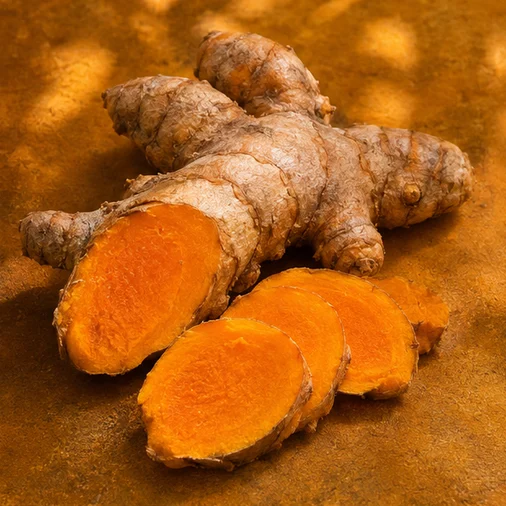
Turmeric is a golden rhizome with a huge research literature, most of it on curcumin in the lab. On skin, human evidence is small and mixed; curcumin is unstable, poorly absorbed and an intense yellow stain. Turmeric masks are a lovely tradition, but they can stain, and turmeric is a recognized cause of allergic contact dermatitis.
Why people reach for it
- Anti-inflammatory and antioxidant. Curcumin inhibits NF-κB signaling and scavenges free radicals in the lab, which underlies interest in turmeric for redness and blemishes. Human topical evidence is limited.
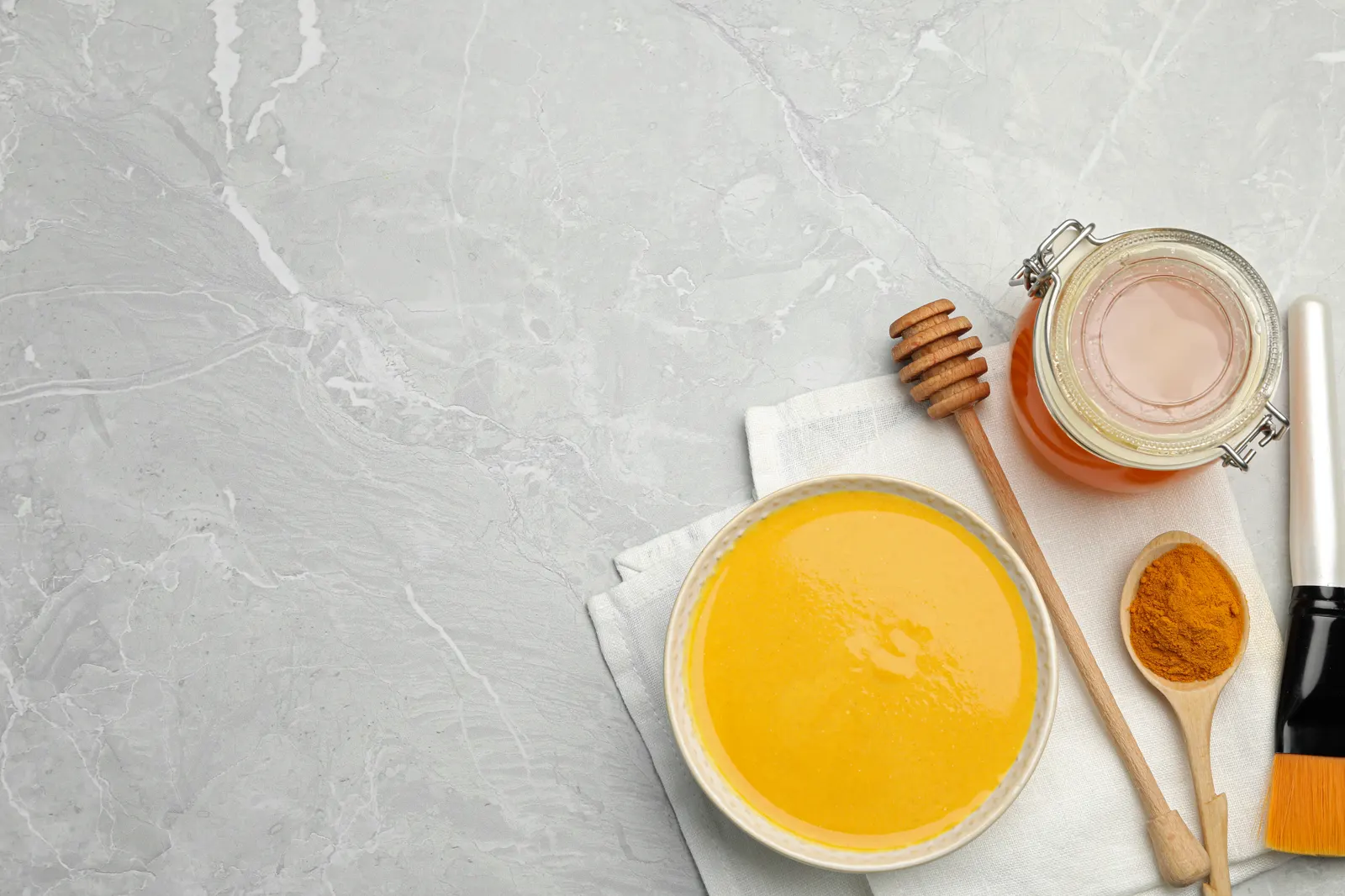
- A traditional glow mask. Mixed with chickpea flour, yogurt or honey, turmeric masks are a cherished South Asian beauty ritual. The visible “glow” is partly the yellow tint and gentle exfoliation.
- Colorless brightening derivative. Tetrahydrocurcumin, a hydrogenated curcumin, inhibits tyrosinase and is an antioxidant without the staining, making it the more practical form in serums.
How to use it
| Form | Typical use | Notes |
|---|---|---|
| Powder in a fresh mask | 1–3% of the mask (about a pinch to ¼ teaspoon per use) | Mix with honey, yogurt or chickpea flour; leave 10 minutes, then rinse with a little oil first if needed to lift stains. Make fresh and discard leftovers. See Turmeric & Honey Glow Mask. |
| Tetrahydrocurcumin | 0.1–1% | Colorless, non-staining antioxidant for leave-on serums; dissolve in a glycol or the oil phase. |
| Turmeric CO₂ extract or root oil | ≤0.5–1% | Contains turmerones and some curcumin; can still tint formulas. Respect overall essential-oil limits. |
Recipes with Turmeric
Use it safely
- Contact allergy: curcumin and turmeric oleoresin cause allergic contact dermatitis, including in people who handle turmeric at work. Patch test on the inner arm before a full-face mask, as in our guide: twice daily for 7 days, read at 48 and 96 hours.
- Staining: turmeric tints skin, nails, towels, grout and nail beds yellow; a smaller dose, a short contact time, and an oil cleanse help. It stains fabric permanently.
- Adulteration: some turmeric has been found adulterated with lead chromate to brighten color. Buy from reputable, tested sources.
- Curcumin is a photosensitizer in lab conditions; rinse masks thoroughly and avoid applying before sun exposure.
- Oral supplements (not cosmetic use) can interact with anticoagulants and have been linked to rare liver injury; talk to a doctor before taking them.
Pregnancy and breastfeeding: Culinary turmeric and occasional topical masks are considered safe in pregnancy. Avoid high-dose curcumin supplements in pregnancy and breastfeeding.
New to an ingredient? Patch test first.
When to see a doctor
- A new or changing mole or spot, especially using the ABCDE signs (asymmetry, irregular border, uneven color, diameter over 6 mm, evolving).
- Rough, scaly patches on sun-exposed skin that persist (possible actinic keratoses).
- A pearly or shiny bump, a sore that does not heal within 3–4 weeks, or a lesion that bleeds easily.
- Sudden skin thinning, easy bruising or stretch marks that may be medication-related (e.g. long-term steroids).
- If you want prescription retinoids or in-office treatments, or are unsure which actives are safe for you.
Other plants for Aging & Photoaging
| Ingredient | Grade | What the evidence shows |
|---|---|---|
| Bakuchiol | B | A randomized, double-blind trial found 0.5% bakuchiol twice daily comparable to 0.5% retinol for wrinkles and pigmentation over 12 weeks, with less stinging; it is not a true retinoid and is less studied. |
| Green Tea | B | Topical green tea polyphenols reduce UV-induced redness and DNA damage in human skin; trials for wrinkles show mixed, modest results. |
| Centella Asiatica (Cica) | C | Madecassoside and asiaticoside stimulate collagen in the lab; small trials of centella-containing creams showed improved firmness, mostly in combination products. |
| Argan Oil | C | A small study in postmenopausal women found improved elasticity with argan oil (oral and topical arms); useful as an emollient. |
| Rosehip Oil | C | Rich in linoleic acid and carotenoids; small studies (mainly of oral rosehip powder) suggest improved skin texture. Topical anti-wrinkle data are thin. |
| Frankincense | C | One small trial of a Boswellia serrata extract cream reported improvement in photoaging signs; needs replication. |
| Sea Buckthorn | D | High in antioxidants and omega-7 (palmitoleic acid), but clinical anti-aging evidence is minimal; unrefined oil stains orange. |