Does it work?
Prickly Pear Seed Oil for Aging & Photoaging
Pressed drop by precious drop in southern Morocco, prickly pear seed oil is a rare, feather-light luxury that melts into skin.
The short answer: Compositional and lab antioxidant data only; no published controlled human trials of the topical oil.
Our Aging & Photoaging guide does not rank Prickly Pear Seed Oil for this use yet, so this is the overall grade for Prickly Pear Seed Oil.
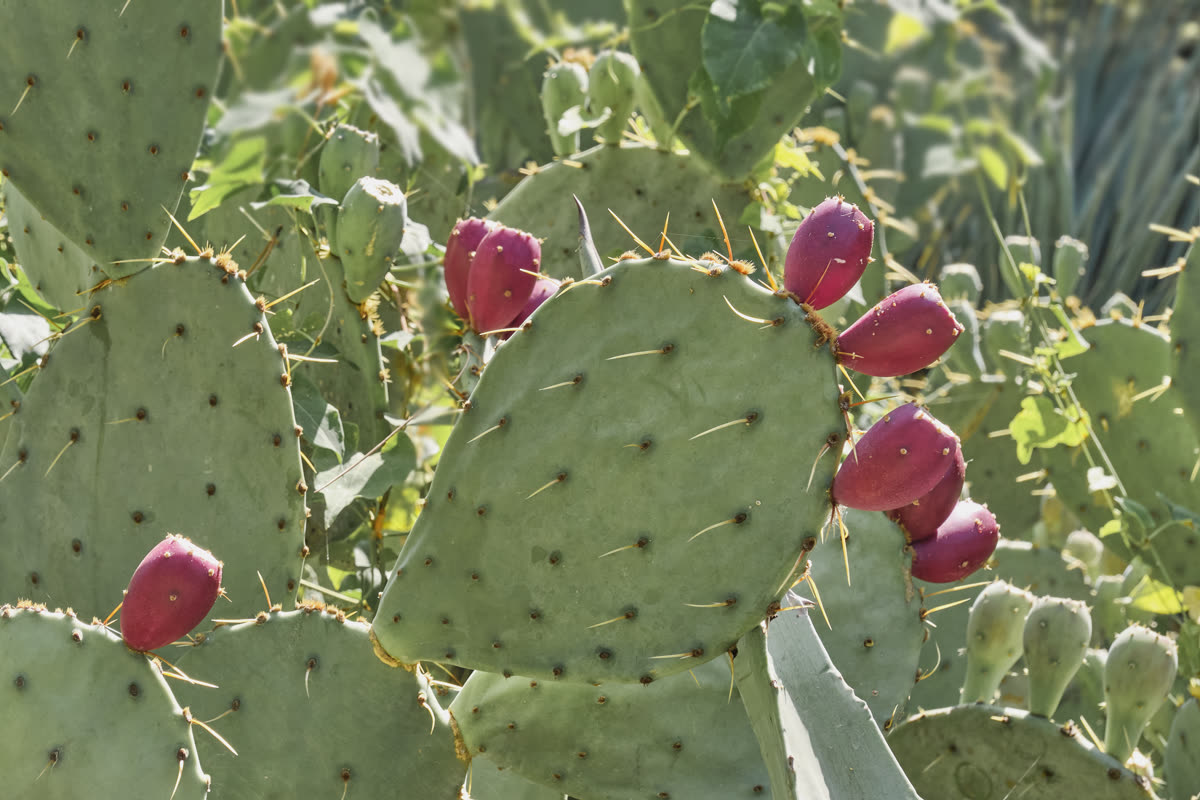
What Prickly Pear Seed Oil can do for Aging & Photoaging
Prickly pear seed oil is cold-pressed from the tiny seeds of the barbary fig cactus, largely by cooperatives in southern Morocco. It is a light, fast-absorbing, linoleic-rich oil with plenty of natural vitamin E. Because the seeds yield so little oil, it is one of the most expensive oils in skin care — and a frequent target of adulteration — while human evidence for its benefits is essentially absent.
Why people reach for it
- Light, fast-absorbing face oil. High linoleic acid content gives a dry, non-greasy finish that suits combination skin.
- Barrier-supporting fatty acids. Linoleic acid feeds ceramide synthesis for the skin barrier, like other linoleic-rich oils.
- Generous natural vitamin E. Tocopherols (mostly γ-tocopherol) help the oil resist rancidity better than many linoleic-rich oils.
How to use it
Try it today
A precious-drop evening ritual
- After cleansing, warm 2–3 drops between your fingertips.
- Press over face and neck, then pat the last trace gently around, never into, the eye area.
- Store the bottle in the fridge if you use it slowly.
| Form | Typical use | Notes |
|---|---|---|
| Face oil or serum | 2–3 drops neat, or 10–30% of a serum | Often blended with argan oil to stretch its cost; see Argan & Prickly Pear Night Serum. |
| Eye-area oil | 1 drop warmed between fingertips | Pat gently around (not into) the eye area; stop if irritation occurs. |
| Creams | 1–5% of a formula | Usually a premium claim ingredient at low levels; add tocopherol and use opaque packaging. |
Recipes for Aging & Photoaging with Prickly Pear Seed Oil
Use it safely
- No specific safety concerns are known; allergic reactions are rare. Patch test as with any new oil.
- As a linoleic-rich oil, it can go rancid; rancid oil irritates. Refrigerate after opening if you use it slowly.
- Products labeled as prickly pear oil may be diluted with cheaper oils — an issue of value more than safety.
Pregnancy and breastfeeding: No known concerns for topical use in pregnancy or breastfeeding.
New to an ingredient? Patch test first.
When to see a doctor
- A new or changing mole or spot, especially using the ABCDE signs (asymmetry, irregular border, uneven color, diameter over 6 mm, evolving).
- Rough, scaly patches on sun-exposed skin that persist (possible actinic keratoses).
- A pearly or shiny bump, a sore that does not heal within 3–4 weeks, or a lesion that bleeds easily.
- Sudden skin thinning, easy bruising or stretch marks that may be medication-related (e.g. long-term steroids).
- If you want prescription retinoids or in-office treatments, or are unsure which actives are safe for you.
Other plants for Aging & Photoaging
| Ingredient | Grade | What the evidence shows |
|---|---|---|
| Bakuchiol | B | A randomized, double-blind trial found 0.5% bakuchiol twice daily comparable to 0.5% retinol for wrinkles and pigmentation over 12 weeks, with less stinging; it is not a true retinoid and is less studied. |
| Green Tea | B | Topical green tea polyphenols reduce UV-induced redness and DNA damage in human skin; trials for wrinkles show mixed, modest results. |
| Centella Asiatica (Cica) | C | Madecassoside and asiaticoside stimulate collagen in the lab; small trials of centella-containing creams showed improved firmness, mostly in combination products. |
| Argan Oil | C | A small study in postmenopausal women found improved elasticity with argan oil (oral and topical arms); useful as an emollient. |
| Rosehip Oil | C | Rich in linoleic acid and carotenoids; small studies (mainly of oral rosehip powder) suggest improved skin texture. Topical anti-wrinkle data are thin. |
| Frankincense | C | One small trial of a Boswellia serrata extract cream reported improvement in photoaging signs; needs replication. |
| Sea Buckthorn | D | High in antioxidants and omega-7 (palmitoleic acid), but clinical anti-aging evidence is minimal; unrefined oil stains orange. |