Does it work?
Fenugreek for Dandruff & Itchy Scalp
What the research says about fenugreek for dandruff & itchy scalp, how to use it at home and how to stay safe.
The short answer: Topical use rests on tradition and lab/animal data; one small oral supplement trial is not enough to support topical hair-growth claims.
Our Dandruff & Itchy Scalp guide does not rank Fenugreek for this use yet, so this is the overall grade for Fenugreek.
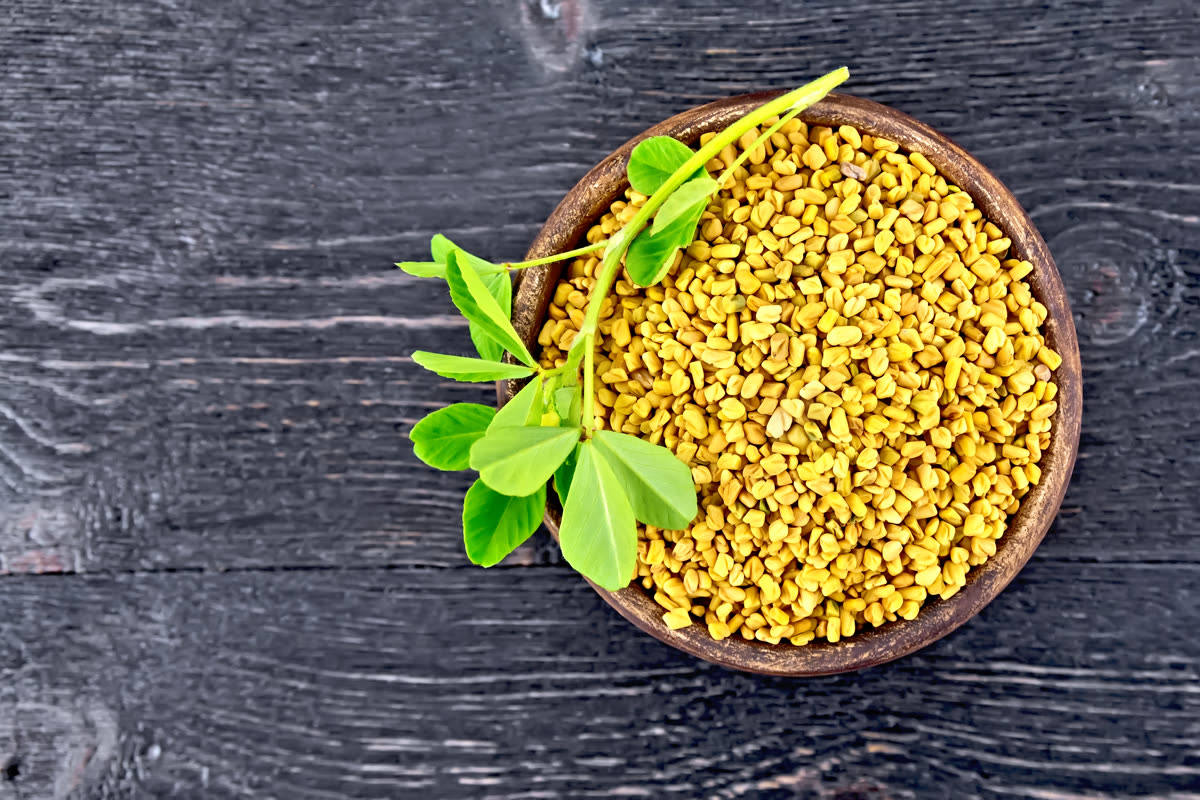
What it does
Fenugreek seeds, helba in Arabic and methi in India, swell into a slippery gel when soaked, making a conditioning mask that softens hair and adds slip. Fenugreek is widely promoted for hair growth and shedding, but the support is largely tradition and lab work; topical human trials are lacking. Enjoy it as a conditioning treatment and keep expectations modest.
Why people reach for it
- Conditioning and slip. Galactomannan mucilage coats the hair shaft, smoothing the cuticle and easing detangling. See Dry, Damaged & Frizzy Hair.
- Soothing for a dry scalp. The gel is gentle and moisturizing; traditional users apply it for itchy, flaky scalps, though evidence is anecdotal.
- Hair-shedding claims (unproven topically). Saponins and other compounds are proposed to support follicles; this rests on lab and animal work, not topical human trials.
How to use it
| Form | Typical use | Notes |
|---|---|---|
| Soaked-seed paste mask | 2–3 tbsp (about 20–30 g) seeds soaked overnight, then ground | Apply to scalp and lengths for 20–40 minutes, then rinse thoroughly; the gel can be hard to rinse from very dense hair. Use fresh. |
| Powder in hair masks | 10–30% of a powder blend | Combine with amla (Indian gooseberry) and water or yogurt for a traditional mask; see Fenugreek & Amla Hair Mask. |
| Extract in shampoos and conditioners | 0.5–3% (per supplier) | Odor-reduced extracts avoid the lingering maple-syrup smell. |
Recipes with Fenugreek
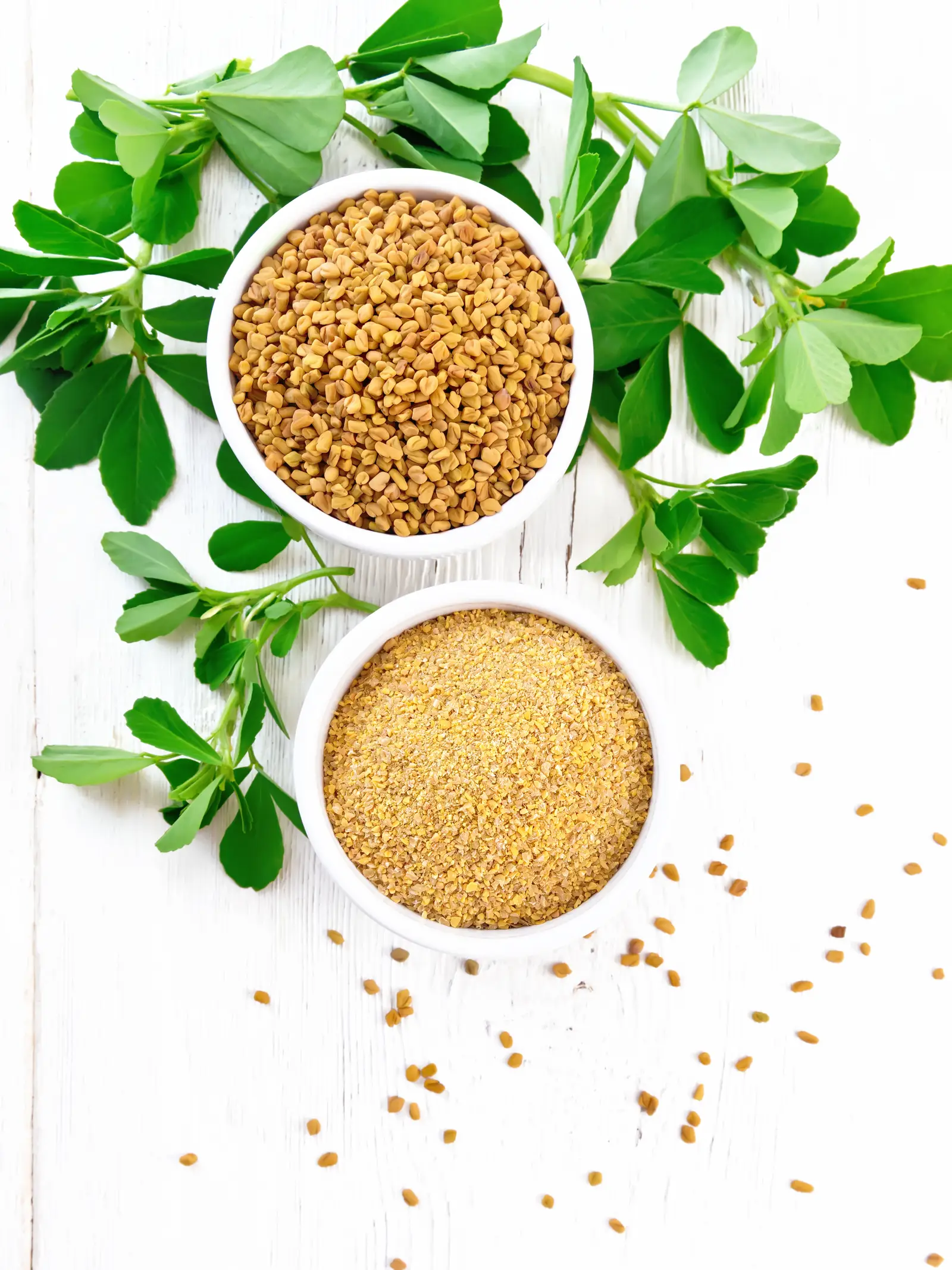
Daily rituals with Fenugreek
Use it safely
- Fenugreek is a legume: people allergic to peanuts or chickpeas may cross-react. Patch test, and avoid if you have a known legume allergy.
- The smell (sotolone) can linger on hair, skin and even sweat for a day or two.
- Oral fenugreek can lower blood sugar and interact with diabetes and anticoagulant medicines; this concerns supplements, not hair masks.
- Sudden or patchy hair loss warrants a doctor’s visit rather than home remedies.
Pregnancy and breastfeeding: Hair masks are considered low-risk. Avoid medicinal oral doses in pregnancy, as fenugreek has traditionally been considered uterotonic.
New to an ingredient? Patch test first.
When to see a doctor
- Thick, silvery plaques, especially extending beyond the hairline or with plaques elsewhere (possible psoriasis).
- Patches of hair loss, broken hairs or swollen glands in the neck, particularly in a child (possible fungal infection).
- Oozing, crusting, pain or a boggy swelling (kerion) on the scalp.
- A sudden, severe or widespread seborrheic dermatitis, which can occasionally signal an underlying condition.
- An itchy, red, swollen scalp after hair dyeing (possible allergy — seek care urgently if the face swells).
- No improvement after 4–6 weeks of correctly used medicated shampoo.
Other plants for Dandruff & Itchy Scalp
| Ingredient | Grade | What the evidence shows |
|---|---|---|
| Tea Tree | B | A randomized, placebo-controlled trial of 5% tea tree oil shampoo improved dandruff severity, itch and greasiness over four weeks. |
| Aloe Vera | C | A small double-blind trial found an aloe emulsion reduced scaling and itch in seborrheic dermatitis. |
| Honey | C | A small uncontrolled study of diluted crude honey applied to seborrheic dermatitis reported reduced itch and scaling; needs confirmation. |
| Neem | D | Antifungal activity in the lab and traditional Ayurvedic use; no good human trials for dandruff. |
| Rosemary | D | Antimicrobial in vitro and used traditionally in scalp rinses; no clinical dandruff data. |
| Black Seed Oil | D | Thymoquinone shows antifungal activity in the lab; as an oil it may also feed Malassezia, so evidence is uncertain. |