Does it work?
Avocado Oil for Dry & Dehydrated Skin
Rich, green and buttery: avocado oil wraps dry, weathered skin and thirsty hair in real comfort.
The short answer: Mostly animal and laboratory data plus a small psoriasis study of a cream containing avocado oil; no robust trials of avocado oil alone on skin.
Our Dry & Dehydrated Skin guide does not rank Avocado Oil for this use yet, so this is the overall grade for Avocado Oil.
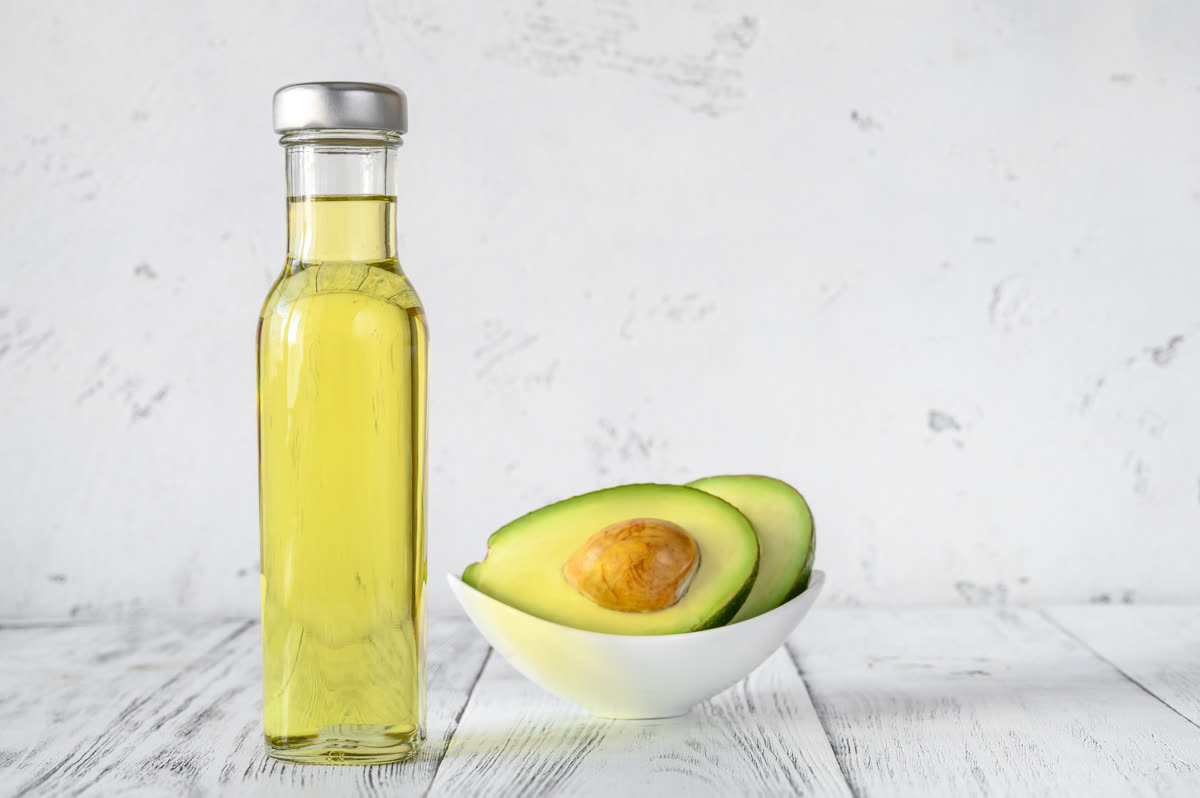
What Avocado Oil can do for Dry & Dehydrated Skin
Avocado oil is pressed from the flesh of the avocado fruit, not the seed. It is a rich, oleic-acid oil with unusual palmitoleic acid and a valuable unsaponifiable fraction of sterols and fatty alcohols. It is a comforting emollient for dry, mature and weathered skin and for dry hair. Human evidence is limited, and avocado farming carries a heavy water and land footprint in some regions.
Why people reach for it
- Rich comfort for dry and mature skin. An oleic-rich, slightly heavy oil that softens and protects dry, weathered and mature skin, especially on the body and hands.
- Valuable unsaponifiables. Its phytosterols and polyhydroxylated fatty alcohols are studied for anti-inflammatory and barrier-supporting effects; concentrated unsaponifiables are used in some dermatological products.
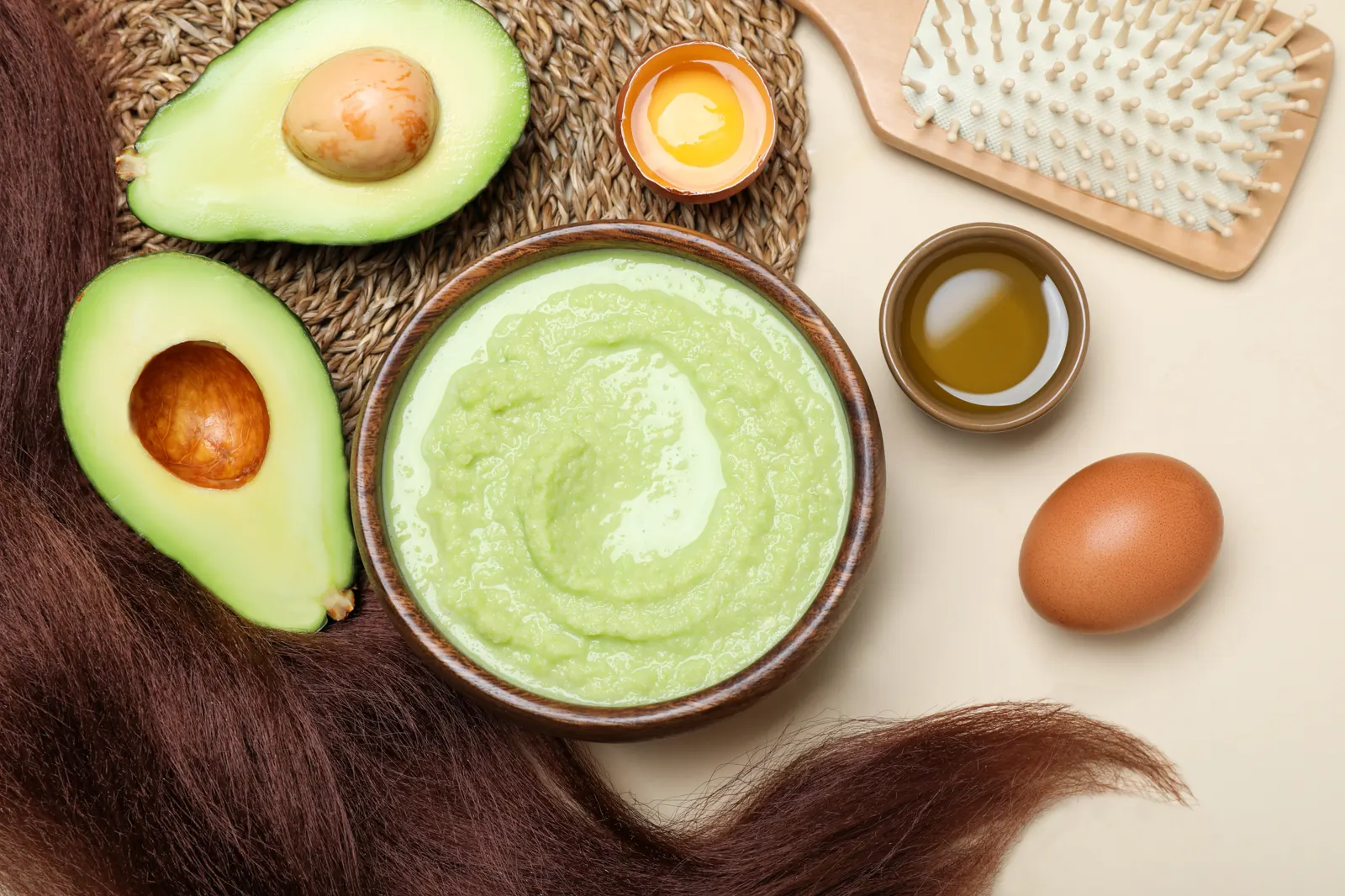
- Nourishing pre-wash for hair. Applied before shampooing, it lubricates and softens dry, curly or color-treated hair and reduces breakage from friction.
- A stable everyday oil. Mostly monounsaturated, it resists rancidity better than polyunsaturated oils, though green virgin oil should be kept from light.
How to use it
Try it today
An after-bath body wrap
- New to it? Patch test first. After a warm shower, pat your skin until it is just damp.
- Smooth on avocado oil, alone or mixed with a lighter oil like sunflower, focusing on dry areas.
- Give it a few minutes to sink in before you get dressed.
| Form | Typical use | Notes |
|---|---|---|
| Body and hand oil | Neat, or 20–50% of a body-oil blend | Apply to damp skin after bathing; blend with a lighter oil such as sunflower oil for a less heavy finish. |
| Face oil or night cream | 10–30% of a face oil; 3–15% of a cream | Best for dry and mature skin; add tocopherol at 0.1–0.5%. |
| Hair pre-wash treatment | 1–2 tablespoons on lengths | Leave 30–60 minutes or overnight under a cap, then shampoo. |
| Avocado unsaponifiables | Typically 0.5–2% (per supplier) | A concentrated fraction for barrier-focused creams; follow supplier guidance. |
Recipes with Avocado Oil
Use it safely
- Allergy to avocado oil is uncommon; patch test if your skin is reactive.
- People with latex–fruit syndrome or avocado food allergy react to proteins; refined oil contains very little protein, but use caution with unrefined oil and ask an allergist if reactions have been severe.
- Heavy, oleic oils can congest acne-prone skin in some people.
- Discard oil that smells sharp or fishy; keep green virgin oil away from light.
Pregnancy and breastfeeding: No specific concerns for topical use in pregnancy or breastfeeding. It does not prevent stretch marks, but it can ease dryness and itch.
New to an ingredient? Patch test first.
When to see a doctor
- Dryness with intense itch that disturbs sleep, or red, inflamed patches (possible eczema or another dermatitis).
- Cracked, bleeding or weeping skin, or signs of infection (pain, warmth, yellow crusts, pus).
- Fish-scale-like dryness present since childhood (possible ichthyosis).
- New, persistent dryness with fatigue, weight change, feeling cold or hair thinning (thyroid), or with excessive thirst and urination (diabetes).
- Severe dryness in older adults with widespread itch that does not respond to moisturizers.
Other plants for Dry & Dehydrated Skin
| Ingredient | Grade | What the evidence shows |
|---|---|---|
| Colloidal Oatmeal | B | Multiple clinical studies show colloidal oatmeal creams and baths reduce dryness, scaling and itch; it is an approved skin protectant in the US. |
| Sunflower Oil | B | Linoleic-rich sunflower seed oil preserved stratum corneum integrity and improved hydration in a comparative study with olive oil, and supports barrier function in neonatal studies. |
| Coconut Oil | B | A randomized trial found virgin coconut oil as effective and safe as mineral oil for mild to moderate xerosis of the legs. |
| Shea Butter | C | Rich emollient and mild occlusive with anti-inflammatory triterpene esters; small studies of shea-containing creams support hydration. |
| Squalane | C | A skin-identical, stable, lightweight emollient that reduces roughness; excellent tolerability but limited trial data on its own. |
| Jojoba | C | A liquid wax ester that resembles skin’s own wax esters; small studies support barrier repair and softness. |
| Aloe Vera | C | A humectant gel that improved skin hydration in small studies; on its own it is not enough for very dry skin and needs an emollient on top. |
| Marshmallow Root | D | Mucilage polysaccharides form a soothing, humectant film; evidence is traditional and lab-based. |