Skin & body · · 2 min read
Centella, cica and madecassoside on a skincare label
How to recognize a whole-plant extract, an isolated constituent and a finished formula.
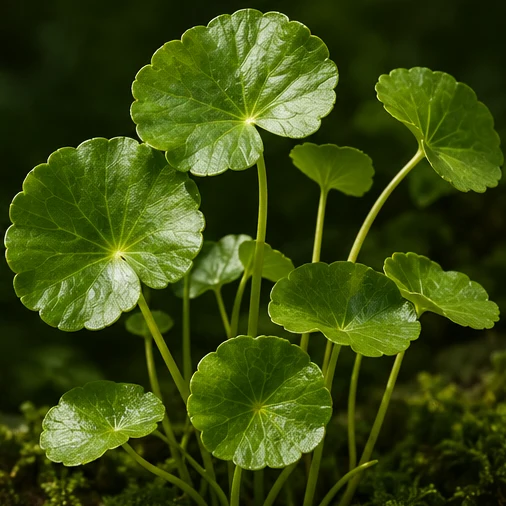
Read past “cica” on the front
On packaging, cica may flag a product associated with Centella asiatica. Look for the precise entry in the ingredients. “Centella Asiatica Leaf Extract” describes an extract made from leaves. “Madecassoside” names a defined constituent found in Centella asiatica. Some formulas list both. The same marketing word can appear on quite different products.
Look at the combination used in a study
Haftek and colleagues studied a formula with 5% vitamin C and 0.1% madecassoside over six months in 20 women with signs of sun-related skin aging. The authors reported changes in several clinical and instrumental outcomes. The result belongs to that combination and population. It cannot isolate what madecassoside would do on its own.
Ask what happened in a comparison group
A separate 2025 observational study followed 88 women with sensitive skin using a cream containing centella leaf extract, ceramide NP and panthenol for four weeks. It recorded improvements in symptoms and some barrier-related measurements. Participants were compared with their own baseline, with no parallel comparison group. The study cannot separate effects of centella from the other ingredients or other changes over time.
Choose for the job and texture
If you want a comfortable daily moisturizer, consider how the complete formula feels, how often you need it and which ingredients you already tolerate. A light serum and a rich balm can share a botanical name while offering different textures and use patterns. A percentage of extract on the front does not necessarily tell you the amount of madecassoside inside.
Try it as a single change
When introducing a new product, keep the rest of the routine stable and consider a small-area test. Check for your known allergens, including any relevant fragrance ingredients. Stop if the product causes irritation. For persistent redness, itching or rash, seek advice instead of relying on the front label.
Sources
- European Commission · CosIng cosmetic ingredient database
- Haftek et al. · Vitamin C with madecassoside in photoaged skin PubMed
- Su et al. · Centella extract, ceramide and panthenol cream
- FDA · Cosmetic allergens
- American Academy of Dermatology · Testing a skincare product
First published in the original Herbs.Beauty edition on 11 November 2026. Sources were checked on that date; see our corrections register.