· Traditions · 5 min
Olive Oil Hands After the Kitchen
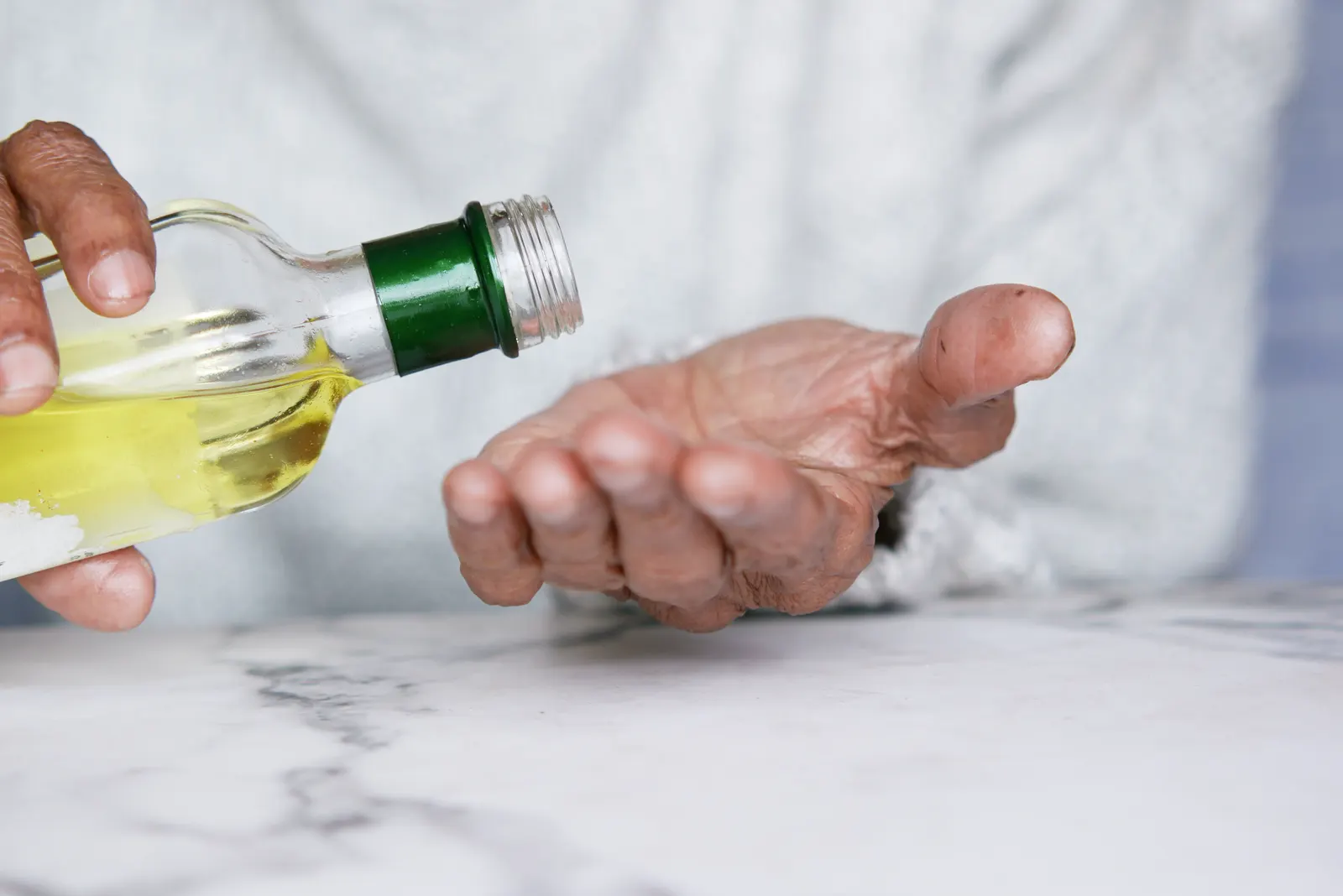
A Mediterranean habit: after cooking or gardening, a quick olive oil and sugar rub, a rinse, then a little oil for softness. Simple and honest.
- Time
- 5 min
- Evidence
- DTraditional wisdom
- Time
- 5 min
- Evidence
- DTraditional wisdom
You’ll need
- 1 teaspoon fine sugar
- 1–2 teaspoons extra virgin olive oil
- A small dish
- Mild soap and a towel
- Optional: a richer hand cream or balm for the night
Traditional wisdom: A traditional kitchen habit; olive oil is a known emollient, but evidence for this ritual is anecdotal and one small study raises a barrier caution.
Formulator’s tip
Do it while the kettle boils for your after-dinner tea. Pairing a ritual with something you already do every day is how it actually sticks.
Step by step
- Wash your hands with mild soap and lukewarm water to remove food and soil. Pat dry.
- Mix the sugar and olive oil in the dish to make a loose paste. Make only what you need for this one use.
- Massage it gently over the backs of your hands, knuckles and fingers for about a minute. Go lightly: you’re polishing, not scrubbing.
- Rinse with lukewarm water. The sugar dissolves and leaves a thin film of oil behind.
- Pat dry and press any leftover sheen around your cuticles and nail folds.
- If your hands are very dry, follow with a hand cream or balm, especially before bed.
Why it works
Olive oil is a familiar, softening emollient and sugar is a gentle scrub that dissolves as you rinse, so together they lift dry flakes and leave hands feeling smooth. For occasional use on healthy hands it is a lovely, low-cost ritual.
An honest footnote: a small study found that applying olive oil to adult forearm skin twice daily for several weeks weakened the skin barrier, while sunflower oil did not. That doesn’t make an occasional hand rub harmful, but if your hands are cracked or eczema-prone, choose sunflower oil or a fragrance-free balm and skip the scrub. Compare oils in Carrier Oils: The Formulator’s Guide.
Where it comes from
Olive oil has been rubbed into skin around the Mediterranean since antiquity, when Greek athletes oiled themselves and scraped off oil, sweat and dust with a curved strigil. In many Andalusian and Moroccan homes, a little oil on the hands is still simply what you do after the dishes.
Enjoy it safely
- Skip the sugar on cracked, cut or inflamed skin; it stings and can worsen irritation.
- Wash well after handling chilies before you start, or the oil can spread the sting around.
- Wipe up any oil on the floor straight away.
Ingredients in this ritual
 No. 032
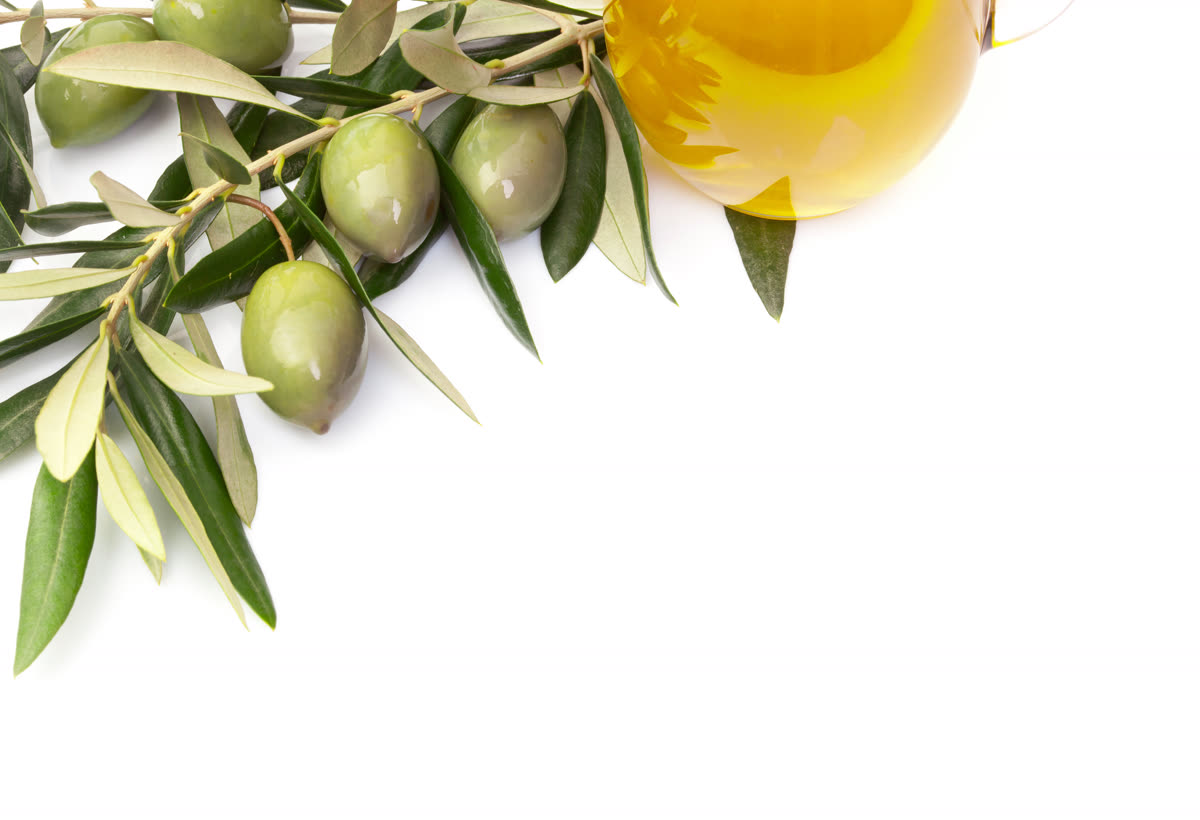
Olive OilOlea europaea L.Liquid gold of the Mediterranean: the heart of hammam black soap and a rich, comforting oil for dry elbows, knees and feet.
 No. 033
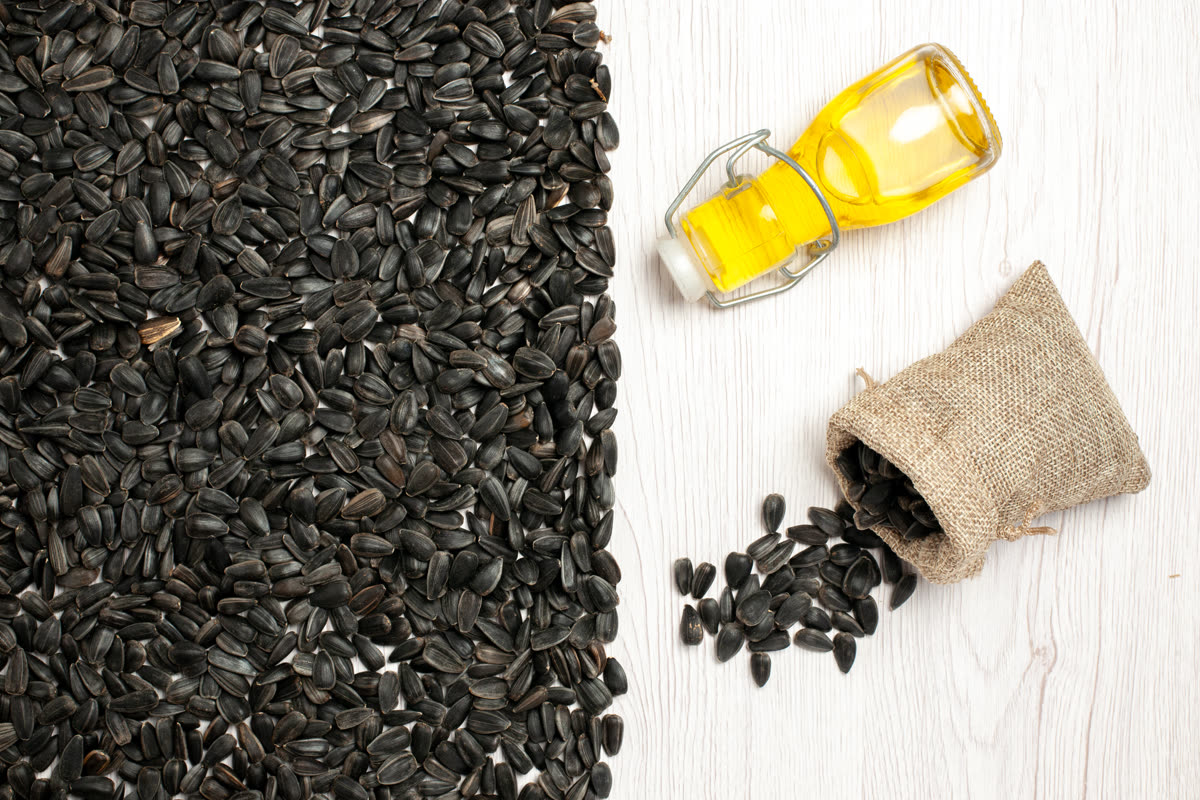
Sunflower OilHelianthus annuus L.The humble kitchen oil with some of the best barrier evidence of any plant oil: gentle, affordable and kind to dry skin.
Go further
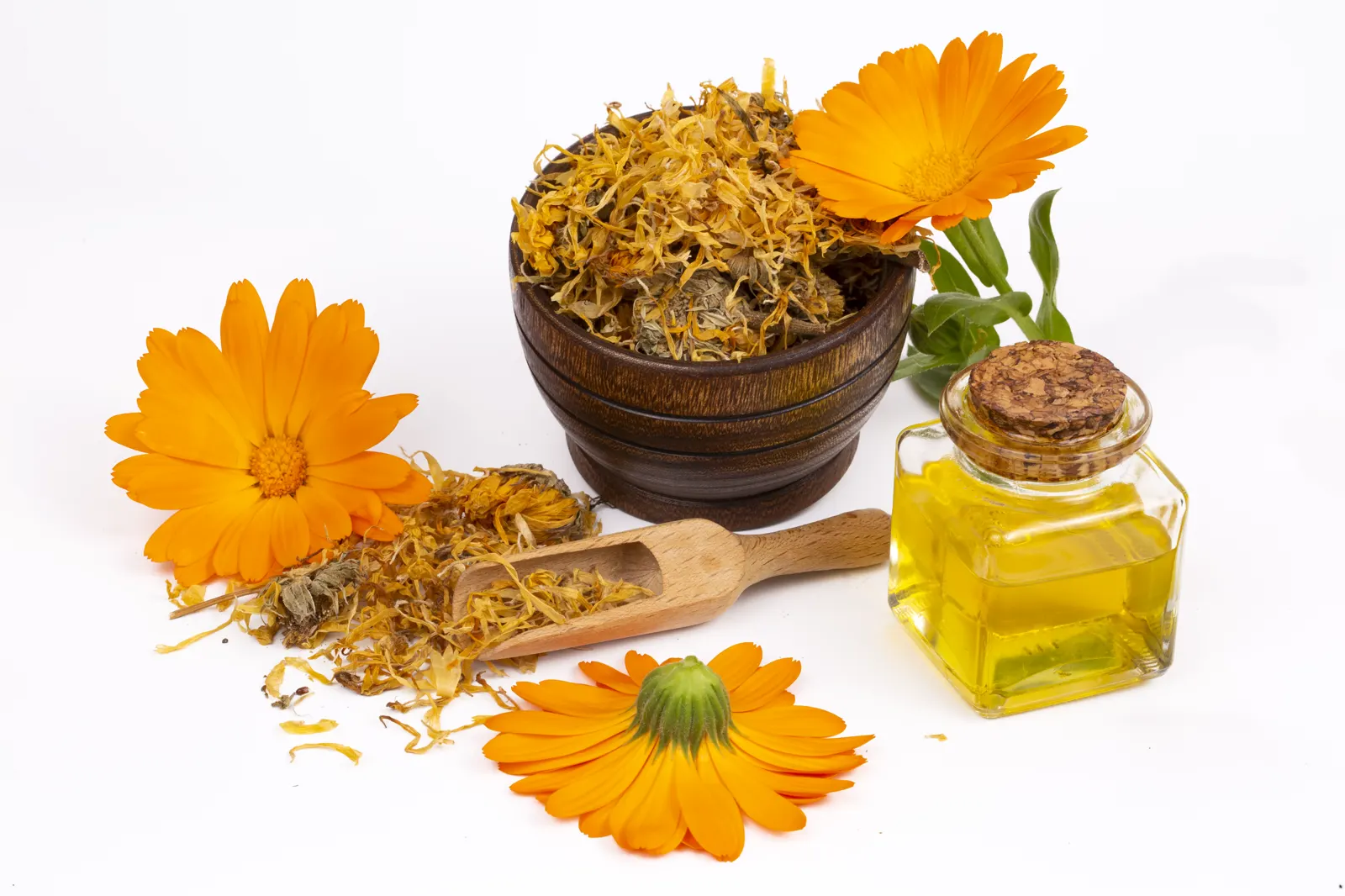 Balm · BeginnerCalendula Comfort BalmA rich, fragrance-free balm of calendula-infused oil, shea and beeswax for chapped hands, dry patches and minor scrapes once they have closed.
TraditionThe Andalusian GardenOrange blossom, olive, almond and the wild cistus of the sierra: the scented beauty garden of southern Spain, from the Alhambra’s fountains to your bathroom shelf.ComparisonCoconut Oil vs Olive OilCoconut vs olive oil for skin and hair: what trials show for eczema-prone skin, the barrier, babies, breakouts and protein loss in hair.ConcernDry & Dehydrated SkinWhy skin loses water, how the barrier works, and how to layer humectants, emollients and occlusives — with oatmeal, shea and oils that help.