Botanical Briefing · · 5 min read
A daily way to get better at reading labels
Try a short exercise, pick up your seven-session challenge or return to an article you’ve saved.
Today’s library pick
One plant, three bottles
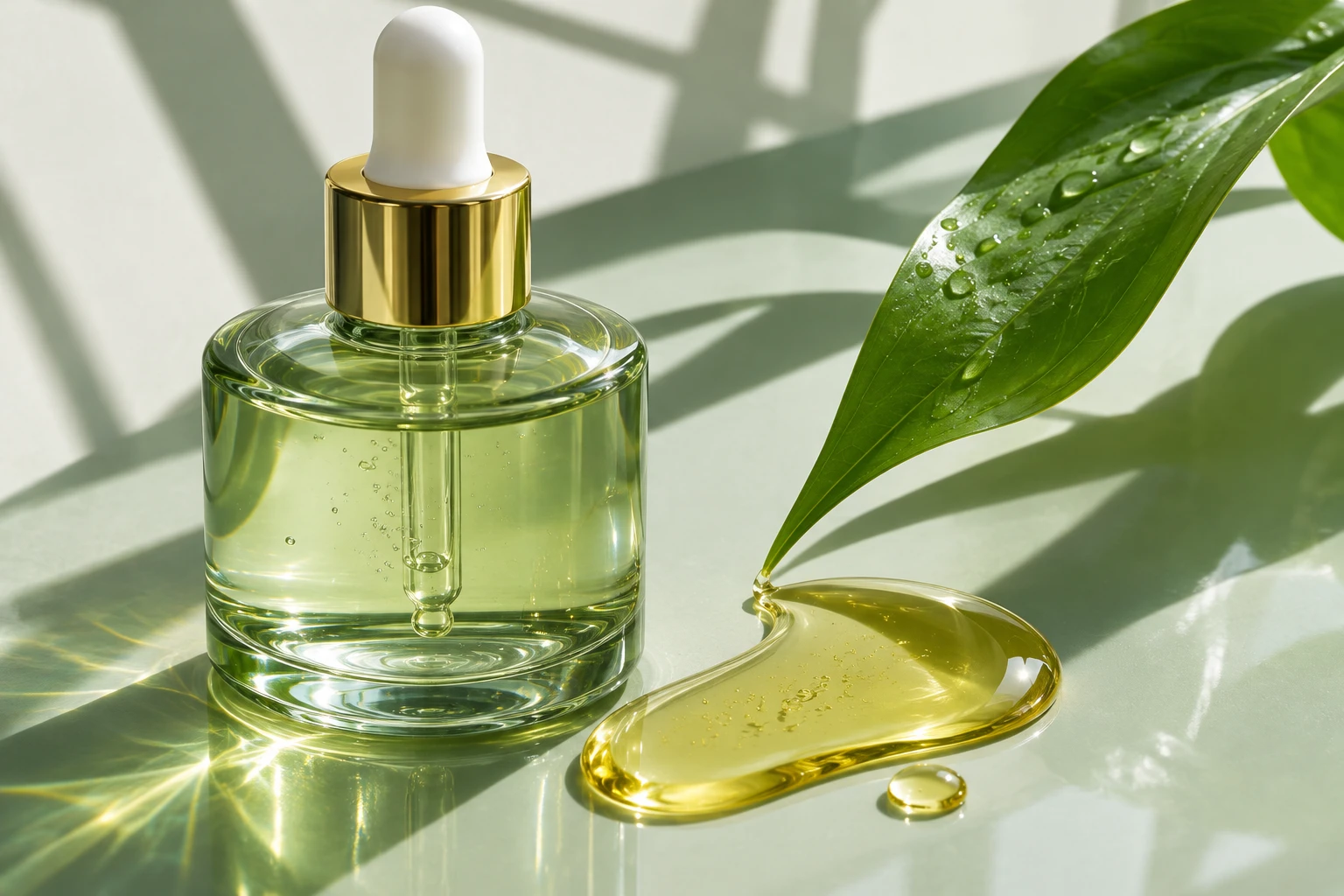
Put a hydrosol, an essential oil and an oil blend in three imaginary columns. What do you still need to know before comparing them? Start with preparation, full ingredient list and intended use. A shared plant name does not establish that they contain the same material. Copy the complete ingredient name before you copy a claim.
Follow the reading path → A daily rotation of 12 evergreen lessons, not newly published reporting. Explore every lesson below at any time.Seven sessions. A more considered shelf.
Start whenever you like. Each session is a reading and organization exercise, not a treatment program. There is no need to buy anything or finish on consecutive days.
0 / 7 sessions completed
01Take stock
Open guide → 02Decode one label
Open guide → 03Name the preparation
Open guide → 04Trace one claim
Open guide → 05Compare the unit price
Open guide → 06Check one packaging claim
Open guide → 07Write your next decision
Open guide →The field notes
Four new, complete guides to revisit when your shelf, shopping plans or travel plans change.
The field notes / 01
Seven days to understand your beauty shelf
A short, no-buy project: seven small tasks that turn a crowded shelf into a useful personal reference.
The field notes / 02
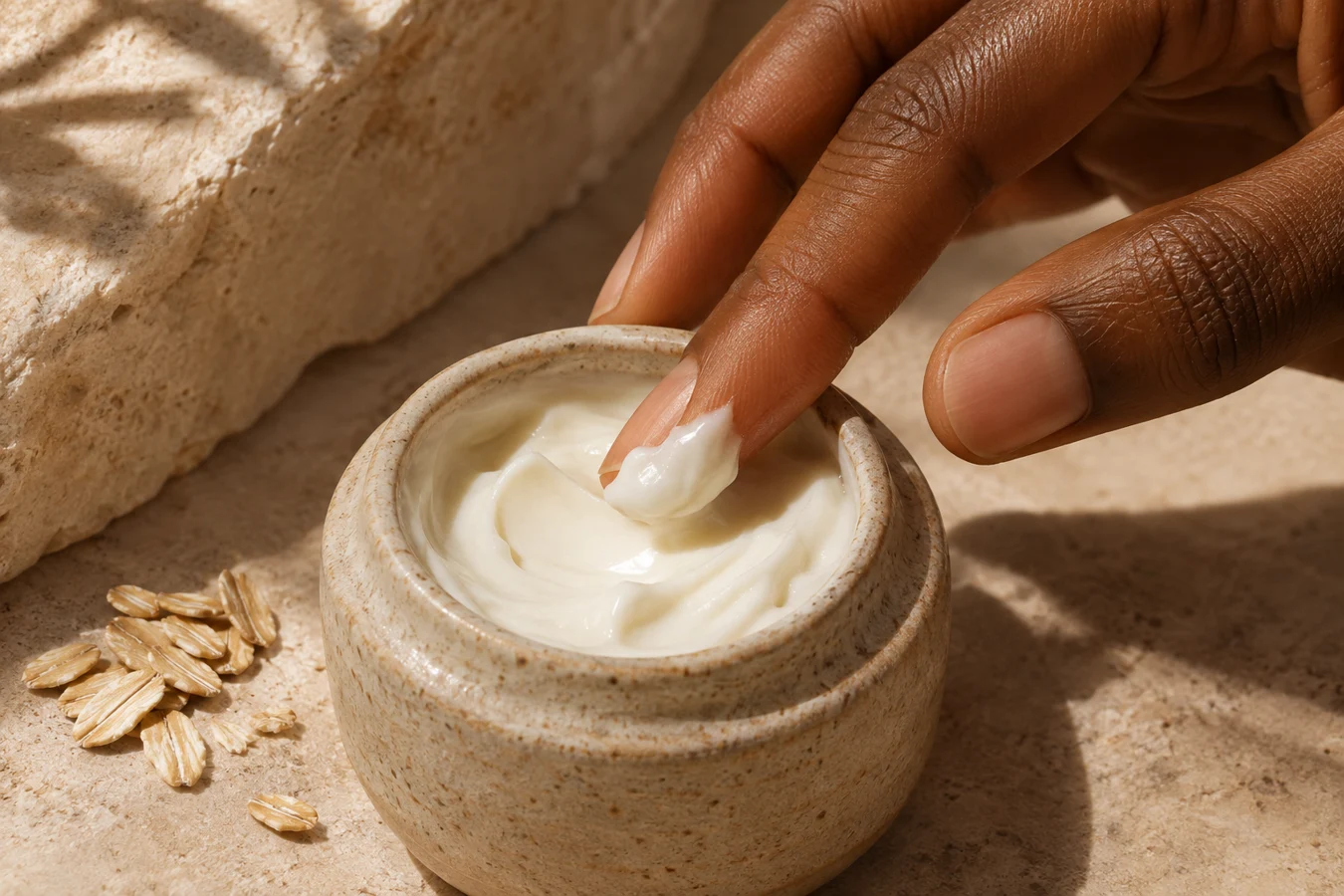
A field guide to cosmetic textures
Learn to describe what a product feels like, then use those observations to make a more precise shopping brief.
The field notes / 03
Keep a beauty claim notebook
A reusable way to examine one promise at a time, without turning your shopping into a research project that never ends.
The field notes / 04
The considered travel beauty edit
Pack around the trip you are taking, with a readable inventory and fewer last-minute decisions.
Your reading shelf
Saved articles and challenge progress stay in this browser on this device. They are not sent to us or synced across devices. Clearing browser data removes them.
No saved articles yet. Open any guide or ingredient dossier and select “Save to my shelf”.
The label lab
Twelve short exercises for the next time a bottle, price or promise catches your eye.
One plant, three bottles
Open the practical answer
Put a hydrosol, an essential oil and an oil blend in three imaginary columns. What do you still need to know before comparing them? Start with preparation, full ingredient list and intended use. A shared plant name does not establish that they contain the same material. Copy the complete ingredient name before you copy a claim.
Follow the reading path →The smaller bottle puzzle
Open the practical answer
A 30 mL product costs €24; a 50 mL product costs €32. The unit prices are €80 and €64 per 100 mL. The second costs more at checkout but less per unit. Now ask whether the formats serve the same purpose and whether you will use the full quantity. Unit price is one comparison, not a verdict on quality.
Follow the reading path →Which formula was actually studied?
Open the practical answer
Write the study formula on one side and the product label on the other. Mark preparation, reported concentration, other ingredients, application and duration. An unknown field stays unknown. A familiar ingredient name alone does not establish a match between the research and your product.
Follow the reading path →A badge is the start of a question
Open the practical answer
Choose a certification claim and find its issuer. Then check whether the record covers an ingredient, a finished product or a business practice. Save the exact product name, certificate scope and source. Do not turn a certification of one criterion into proof of every claim on the bottle.
Follow the reading path →The purchase you can postpone
Open the practical answer
Look for an unopened duplicate before adding anything to a basket. Write down the job the new purchase would do. If a product you already own serves that purpose, keep the new one on a question list rather than treating it as a need. This is an inventory exercise, not a claim that every formula is equivalent.
Follow the reading path →Read the claim and the list
Open the practical answer
Copy the exact fragrance wording from the front of a product, then read its ingredient list and the explanation for the selling market. Keep marketing terms and ingredient names in separate columns. If a term is unclear, record a question instead of assigning the whole formula a universal safe or unsafe label.
Follow the reading path →Describe the finish without a promise
Open the practical answer
Use concrete sensory words: fluid, thick, quick-spreading, glossy, tacky or rich. These are observations or preferences, not measurements of long-term performance. A texture you enjoy can matter to your routine without proving an unrelated efficacy claim. Compare formats before comparing plant stories.
Follow the reading path →A percentage needs a denominator
Open the practical answer
When a package highlights a percentage, copy the sentence around it. Is it an ingredient concentration, a response from participants or a measured change? Look for the population, question, timeframe and method. If the explanation is absent, your notebook should say “not established”, rather than supplying a missing meaning.
Follow the reading path →Pack the information too
Open the practical answer
A travel list should include the product identity and its directions, not just the number of bottles. Keep a readable label or a personal reference to the original packaging. Check the actual carrier and destination requirements separately. A compact routine is easier to plan when each item has a purpose you can name.
Follow the reading path →Refillable in practice?
Open the practical answer
Before choosing a refillable pack, find the actual compatible refill, its size and where you can buy it. Record the instructions and compare the full first purchase with later refills. A packaging word is more useful when the system is available to you, in your market, for the product you intend to use.
Follow the reading path →Three names, one careful comparison
Open the practical answer
Compare the words cica, Centella asiatica extract and madecassoside in the ingredient guide. Copy what each term identifies before making a claim about a finished product. A marketing nickname, a botanical extract and a named compound should not silently become the same thing in your notes.
Follow the reading path →Choose for the recipient
Open the practical answer
Write down a preference the recipient has actually expressed. Use that as the starting point for format, scent or gift type. If you do not know, a flexible option can be more thoughtful than guessing at a skincare need. Keep the original product information with any cosmetic you give.
Follow the reading path →First published in the original Herbs.Beauty edition on 11 November 2026. Sources were checked on that date; see our corrections register.