Shopping & sourcing · · 4 min read
A practical check on sustainable beauty claims
Look past the green packaging: check the certificate, the refill system, the disposal route and the evidence behind a sourcing story.
Start with a purchase you actually need
Before comparing sustainability claims, write what you intend to replace and why. Is the current cleanser nearly empty, or has a new campaign created a new category in your routine? This is a purchasing prompt, not a lifecycle calculation. It helps keep the decision concrete. If you already own a suitable product, finishing it may resolve the immediate shopping question without a new comparison. If you need a replacement, set two or three criteria that matter to you and examine them consistently across the shortlist.
Separate the claims instead of awarding one green score
A product may be organic, refillable, vegan, locally filled or sold in recycled packaging. Those words describe different properties. Write each claim on a separate line and add the evidence required to check it. Do not let a strong answer in one column silently fill the others. For example, a refill pouch does not tell you where a botanical was grown. A farming certificate does not establish that your municipal service accepts the pump. This approach makes trade-offs visible without pretending that a simple checklist is a complete environmental assessment.
Check what the certificate actually covers
COSMOS distinguishes finished-product certification from raw-material certification and approval. Look up the exact product and signature in its databases; an approved ingredient is not the same claim as a certified finished cosmetic. Save the product spelling and a link to the record you found. If the pack shows a different scheme, use that scheme’s own criteria and directory. When a logo cannot be matched, write unverified rather than counterfeit. You may simply be missing the relevant record or the product may have changed names.
Ask whether a refill is a usable system
Check that the refill is actually sold in your market, fits your container and comes with instructions you can follow. Compare the initial purchase and the refill price separately. Ask which parts you retain and which parts are discarded at each replacement. This does not prove a lower environmental footprint, because the result depends on more than the word refill. It does establish whether the feature is practical for you. Avoid planning on indefinite reuse if the maker specifies a replacement schedule or a particular cleaning procedure.
Follow the packaging all the way to your local bin
List the bottle or jar, cap, pump, label, sleeve and outer box. Then check the disposal instructions for your actual local service. EPA recycling guidance stresses that local acceptance varies. A recognized material symbol is not a collection appointment. If a brand operates a take-back scheme, check eligible materials, locations, postage and whether the scheme currently accepts your product. Do not count a program as convenient if the nearest drop-off point is somewhere you never visit. Record the unknown components rather than assuming every part follows the bottle.
Turn broad words into precise questions
The FTC Green Guides caution against sweeping environmental claims without qualification. As a shopper, ask which benefit the brand means, what part of the product it covers and what comparison is being made. “Less packaging” needs a baseline. “Recycled” needs a material and proportion. “Compostable” needs a destination compatible with the instructions. These questions help you read the claim; they are not a legal judgment about a particular company. Preserve the date and exact wording because a later product page may describe a different package or a different scope.
Read sourcing stories as evidence trails
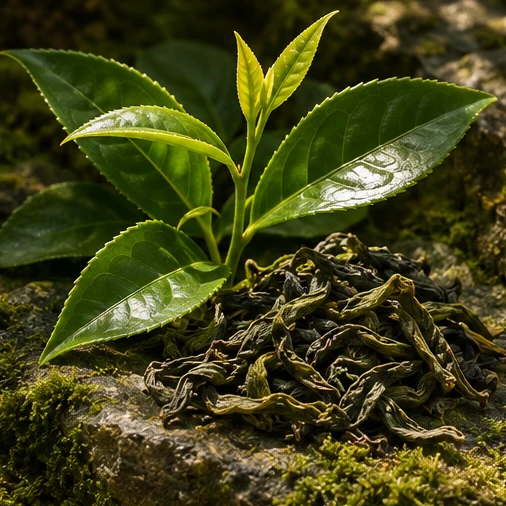
For a botanical sourcing story, make a short chain: species, plant part, country or region of cultivation or collection, processing location, supplier statement and independent verification if supplied. This is an editorial verification method, not an assertion that one country is better. Distinguish where a plant grows from where a cosmetic is filled. If the story describes a farmer partnership, look for named organizations, dates and a clear description of the arrangement. A moving photograph can introduce a story; the supporting details determine how much of it you can verify.
Make a transparent comparison
Imagine two fictional options. A provides a verifiable finished-product certificate and a one-use package. B provides a refill that you can buy locally but no certificate matching your chosen farming criterion. Neither automatically wins every dimension. Write the strongest verified point and the unresolved point for each. Decide which trade-off fits your priorities, then keep the reasoning with the purchase. We deliberately avoid converting this exercise into an environmental score: without suitable lifecycle data and a defined method, the number would imply a precision the comparison does not have.
Keep a compact evidence record
Your final note can contain: product, market, date, reason for purchase, exact claims, verification links, packaging components, local disposal instructions, refill availability, price of replacement, sourcing details, unanswered questions and decision. Review only the fields that changed when you next buy; a new pack or formula deserves a fresh check. This turns sustainability from a mood on a product page into a set of questions you can answer. Some answers will remain unknown, and saying so is part of an honest comparison rather than a failure to choose.
Sources
- COSMOS · Product certification and raw-material approval
- COSMOS · Certification databases
- FTC · Environmental Claims, Summary of the Green Guides (United States)
- US EPA · How Do I Recycle Common Recyclables?
First published in the original Herbs.Beauty edition on 11 November 2026. Sources were checked on that date; see our corrections register.