Hair care · Make it at home
Simple Rice Water Hair Rinse
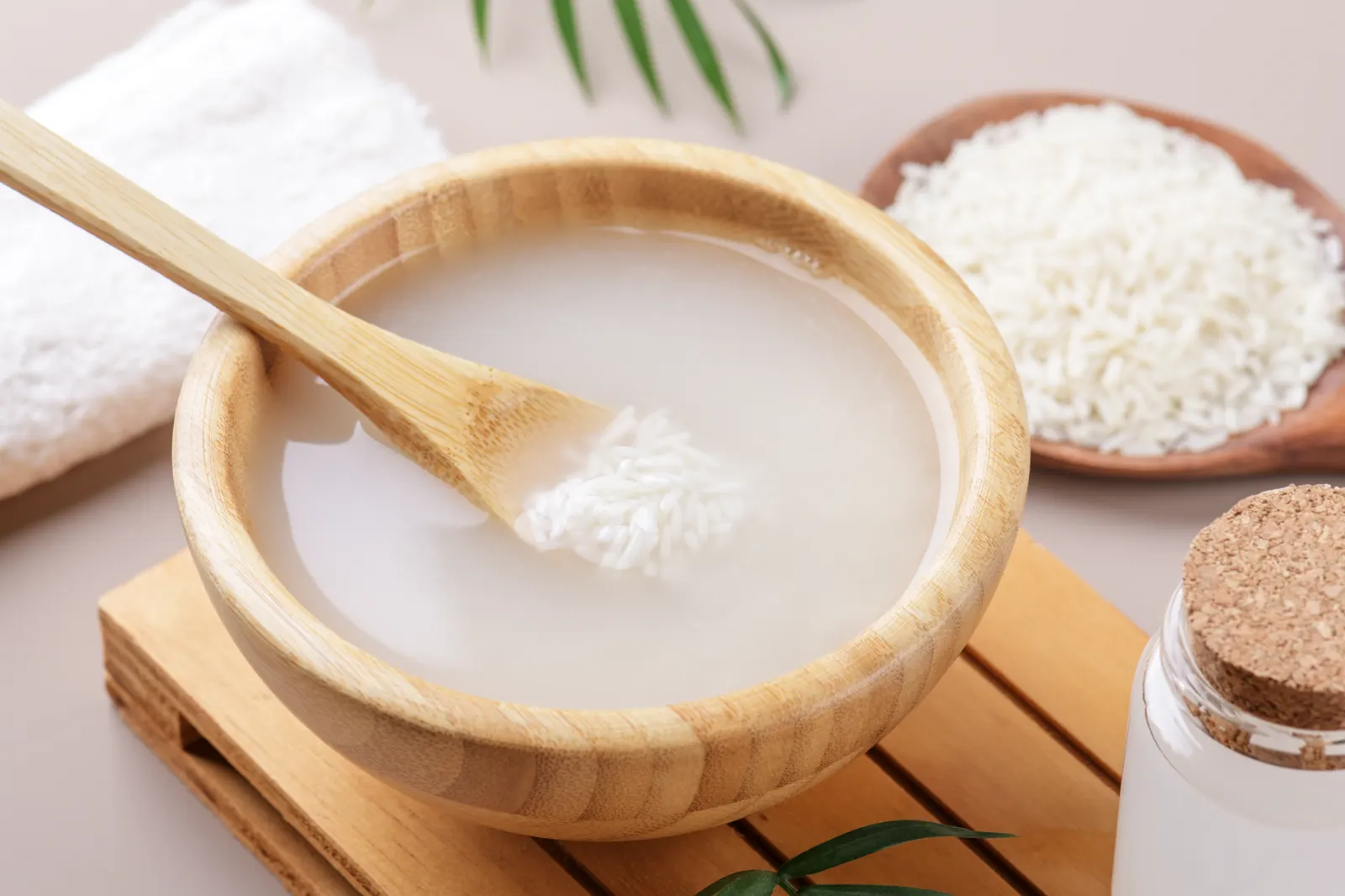
Soaked rice water as a same-day final rinse for smoother, shinier-feeling hair. A cherished tradition with limited science — here’s the honest version.
- Time
- 10 min (+ 30 min soak)
- Level
- Beginner
- Makes
- 250 g
- Type
- Fresh · single use
- Keeps
- Same day only — keep in the fridge until you use it and discard leftovers
What you need
- Uncooked white rice
- Cool filtered or boiled-and-cooled water
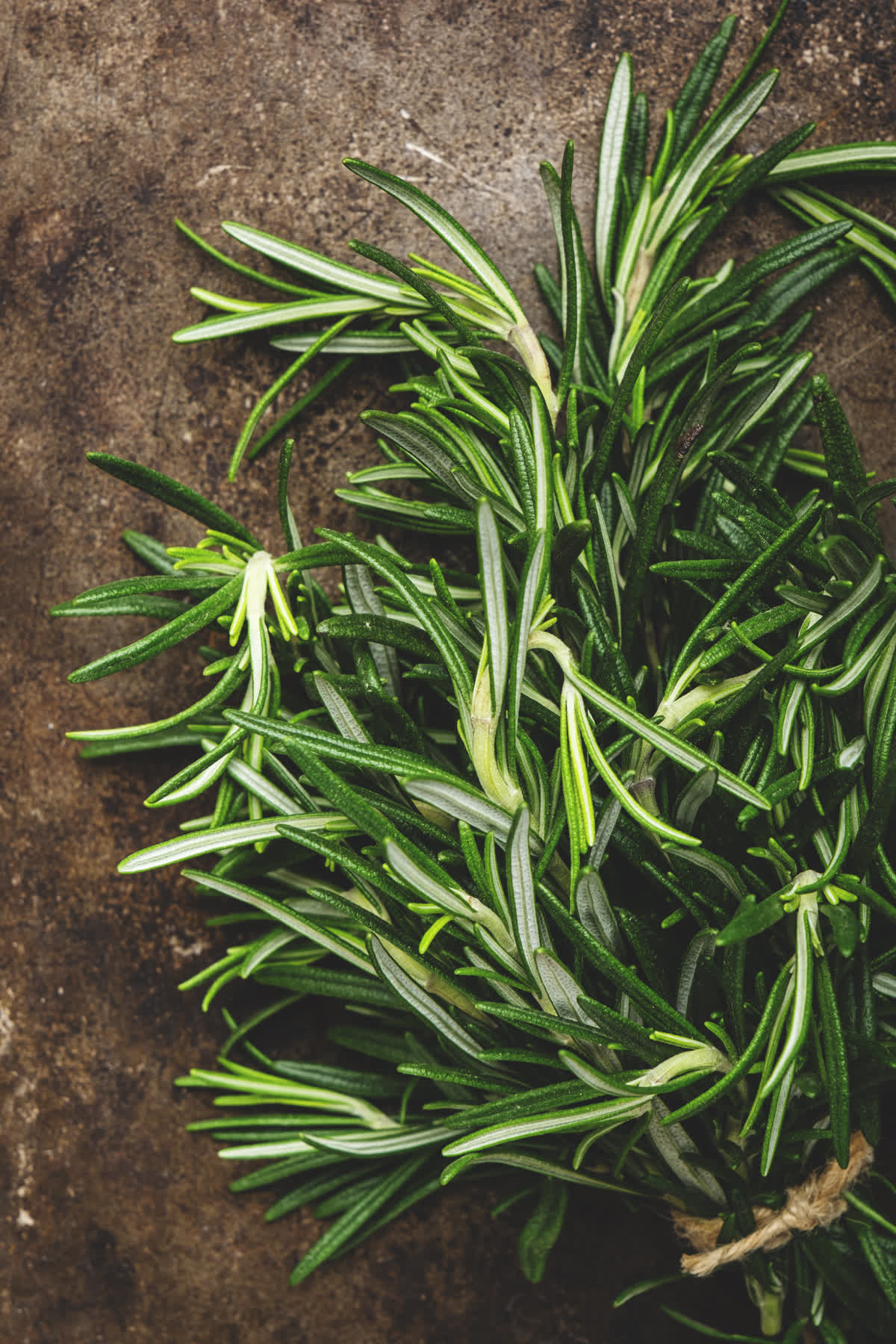
- Fresh rosemary sprig
Formula
| Phase | Ingredient | % | Grams |
|---|---|---|---|
| A | Uncooked white rice (any variety)Rinsed once to remove dust; cook it for dinner afterward | 20 | 50.00 |
| A | Cool filtered or boiled-and-cooled water | 79 | 197.50 |
| A | Fresh rosemary sprig (optional)For scent; strain out with the rice | 1 | 2.50 |
| Total | 100.0 | 250.00 |
Weigh everything on a 0.01 g scale; volume measures are not accurate enough for actives or preservatives. Open in the formula & cost calculator.
Equipment
- Kitchen scale (1 g)
- Sieve
- Clean bowl
- Jug or squeeze bottle
Method
- Rinse 50 g rice briefly in a sieve and discard that first, dusty rinse.
- Put the rice in a clean bowl with 197.5 g cool water and the rosemary sprig, if using. Swirl and gently squeeze the grains for a minute, then leave 30 minutes.
- Strain the cloudy water into a clean jug or squeeze bottle.
- After shampooing, pour it slowly over your hair and scalp, working it through the lengths.
- Leave 5 minutes, then rinse thoroughly with lukewarm water and condition the ends if they need it.
- Start with once a week, and discard any leftover rice water the same day.
Why it works
Rice water carries a little starch and small amounts of compounds such as inositol, which may coat hair and make strands feel smoother and easier to detangle. The tradition is long and loved, but the evidence so far comes mainly from laboratory tests, not human trials — so expect a nicer feel, not faster growth. A sprig of rosemary simply adds a fresh, herbal scent.
Safety notes
- Patch test behind your ear first, especially if you add rosemary (How to Patch Test).
- Don’t ferment it for days at room temperature: it grows yeasts and bacteria, smells sour and can irritate the scalp. Fresh is best.
- Some hair, often fine or low-porosity, feels stiff or straw-like after starch rinses: rinse well, use less often, or follow with conditioner.
- Keep it out of your eyes. Sudden or patchy hair loss needs a doctor (Thinning Hair & Hair Loss).
Read DIY safety & preservation before making water-based products.
Variations
- Boiled version: simmer 50 g rice in 400 g water until cloudy, strain, cool completely and dilute 1:1 with cool water — still same-day use.
- Spray-on: pour it into a clean spray bottle and mist onto lengths; easier for thick or curly hair.
Featured ingredients
Formulator
Selling what you make? Get the batch record, label template and cost sheet for this formula, plus a regulatory checklist for the EU, UK and US.
See Formulator membership